Restoration in North Norfolk
When a period building starts to fail, water finds its way in, timber moves and the structure suffers. EMEU restores roofing, windows, drainage, house structures and glasshouses on period and character property across north Norfolk and wider Norfolk, putting right what has failed and matching what was there before.
Lead roofing and roof restoration
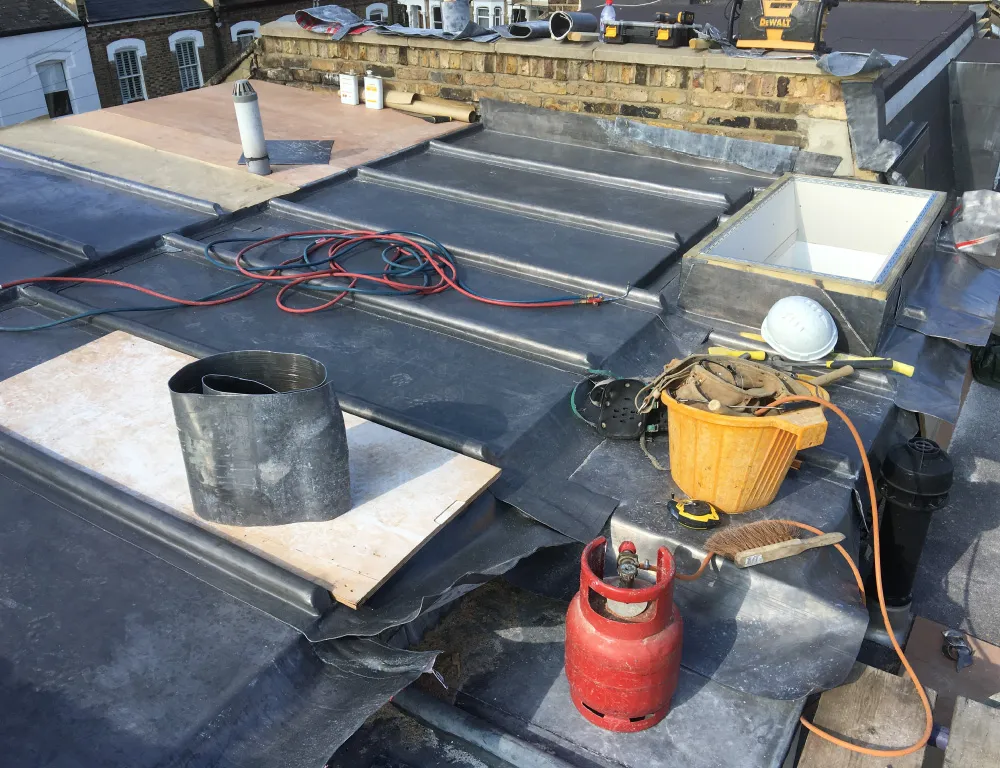
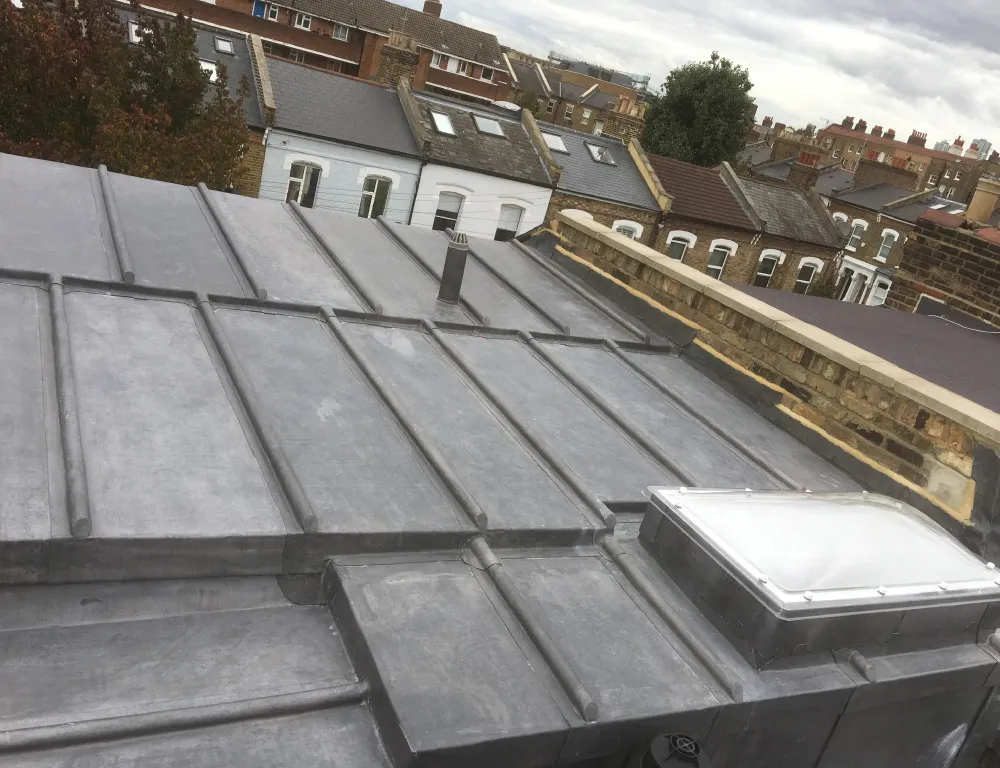
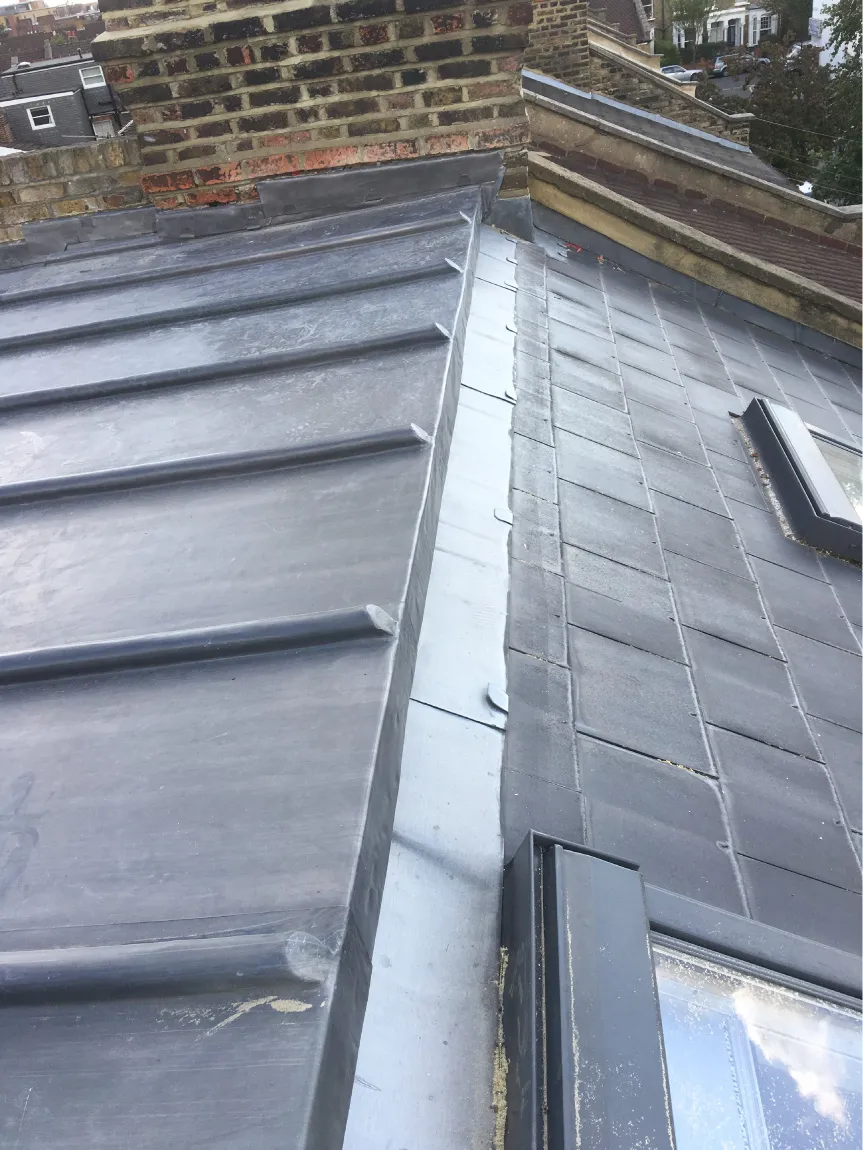
A ruined roof lets water into a house, damages the structure and leaves the occupants insecure. On a classic Victorian terrace the original lead roof had already been damaged by cheaper materials used in an earlier repair. We extended and restored it as a ventilated lead roof, and built in a new polycarbonate light and a water run off. The result was form following function, a roof that keeps the weather out and lasts.
A ruined roof leads to ingress of water, damage to the infrastructure of a house and insecurity of the occupants.
In this Classic Victorian terrace house, Emeu extended and restored the original lead roof which had been brutalised by cheaper materials years earlier.
This is a ventilated lead roof. A new Polycarbonate light and water run off was built in. As you can see, the result was beautiful and “proper London roof” (Richard Page of London Lead Roofing) was the result. A fine example of “form following function
A ruined roof leads to ingress of water, damage to the infrastructure of a house and insecurity of the occupants.
In this Classic Victorian terrace house, Emeu extended and restored the original lead roof which had been brutalised by cheaper materials years earlier.
This is a ventilated lead roof. A new Polycarbonate light and water run off was built in. As you can see, the result was beautiful and “proper London roof” (Richard Page of London Lead Roofing) was the result. A fine example of “form following function
A ruined roof leads to ingress of water, damage to the infrastructure of a house and insecurity of the occupants.
In this Classic Victorian terrace house, Emeu extended and restored the original lead roof which had been brutalised by cheaper materials years earlier.
This is a ventilated lead roof. A new Polycarbonate light and water run off was built in. As you can see, the result was beautiful and “proper London roof” (Richard Page of London Lead Roofing) was the result. A fine example of “form following function
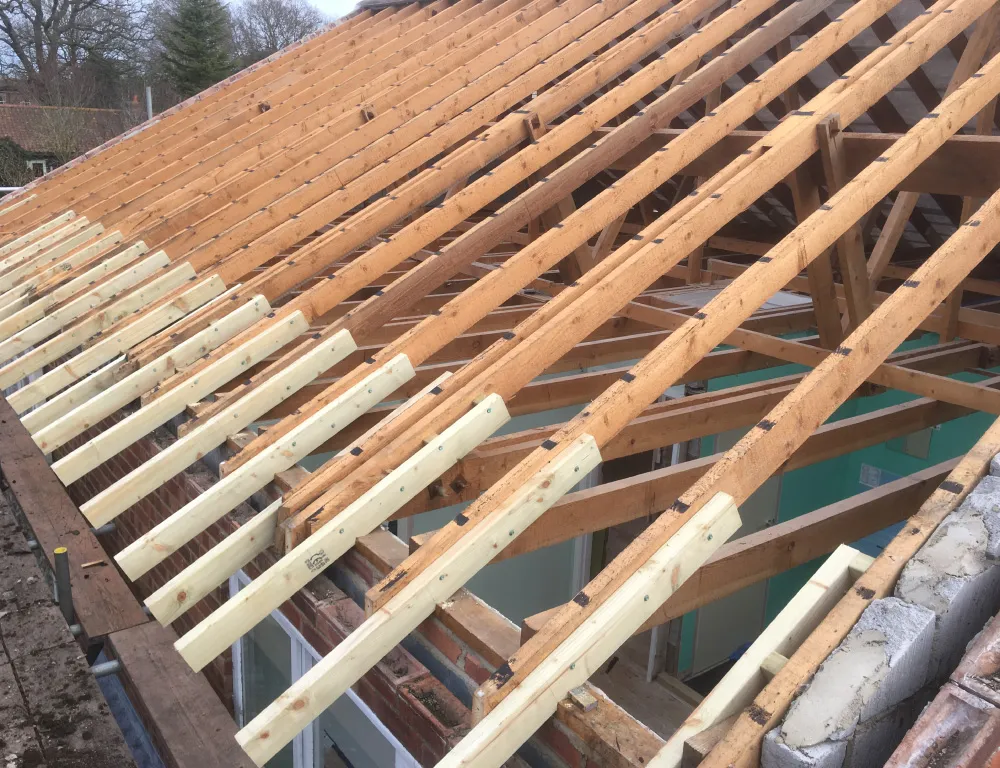
A ruined roof leads to ingress of water, damage to the infrastructure of a house and insecurity of the occupants.
In this Classic Victorian terrace house, Emeu extended and restored the original lead roof which had been brutalised by cheaper materials years earlier.
This is a ventilated lead roof. A new Polycarbonate light and water run off was built in. As you can see, the result was beautiful and “proper London roof” (Richard Page of London Lead Roofing) was the result. A fine example of “form following function
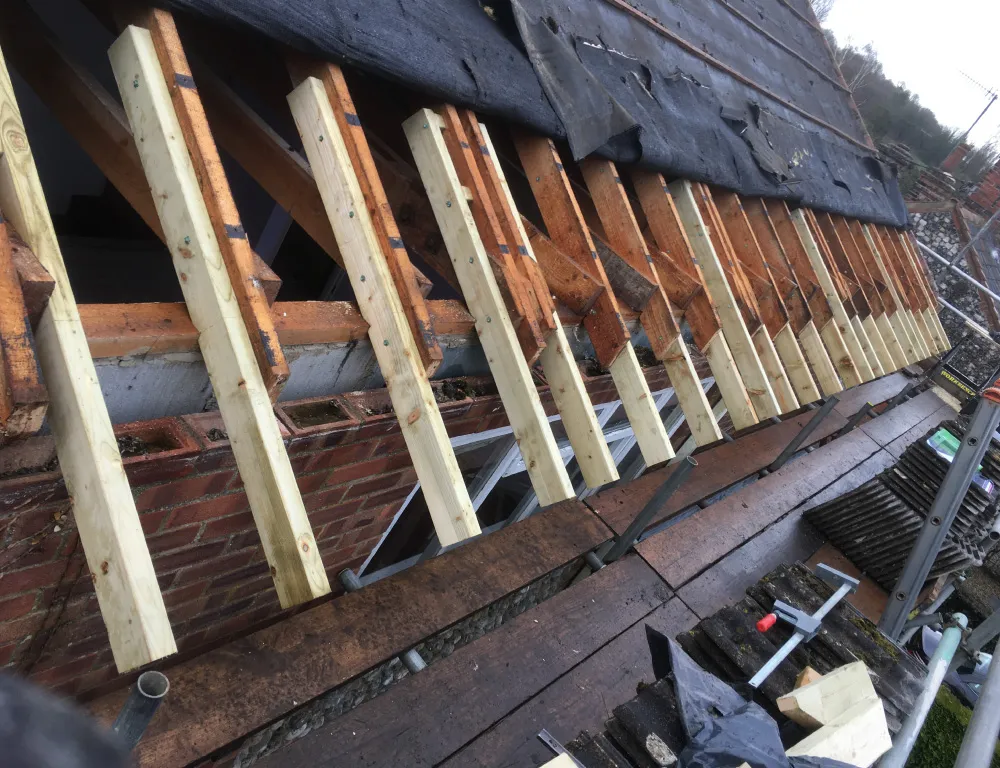
A ruined roof leads to ingress of water, damage to the infrastructure of a house and insecurity of the occupants.
In this Classic Victorian terrace house, Emeu extended and restored the original lead roof which had been brutalised by cheaper materials years earlier.
This is a ventilated lead roof. A new Polycarbonate light and water run off was built in. As you can see, the result was beautiful and “proper London roof” (Richard Page of London Lead Roofing) was the result. A fine example of “form following function
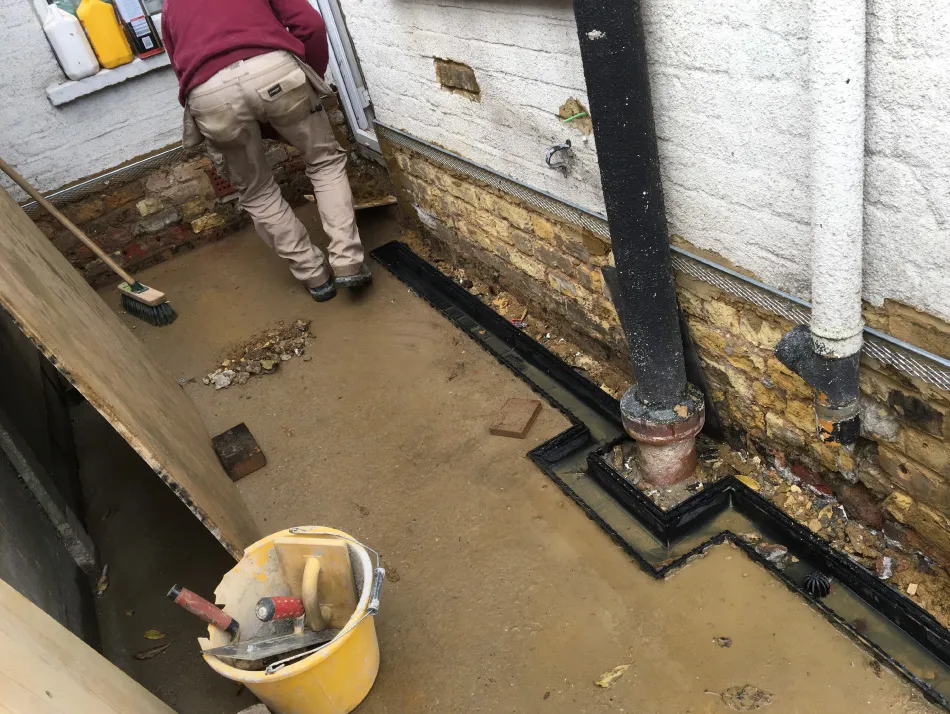
Drainage and rainwater
Rainwater that is not carried away eats into brick, foundations and the ground around a building. We move rainwater from the downpipe at ground level safely into the underground drains, or channel it away from the building where that is the better route. It is quiet work that protects everything above it.
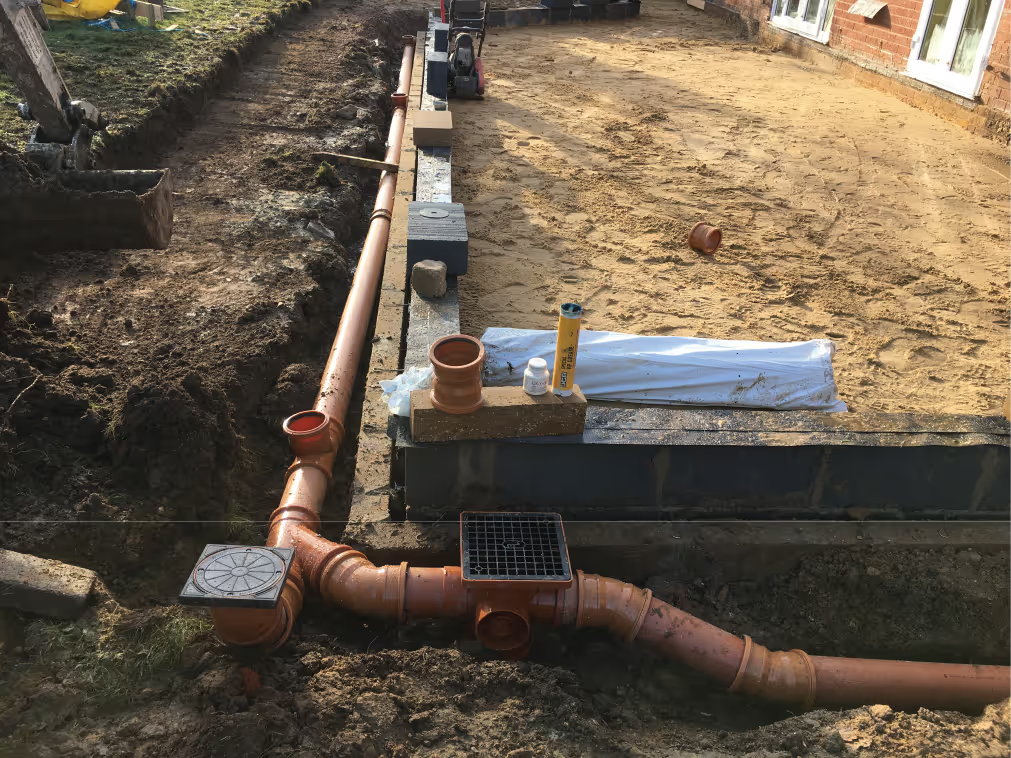
Once rain water is safely drained from the roof of a house, down the drainpipe to ground level it needs to then travel safely to the underground drains or be channelled safely away from the building.
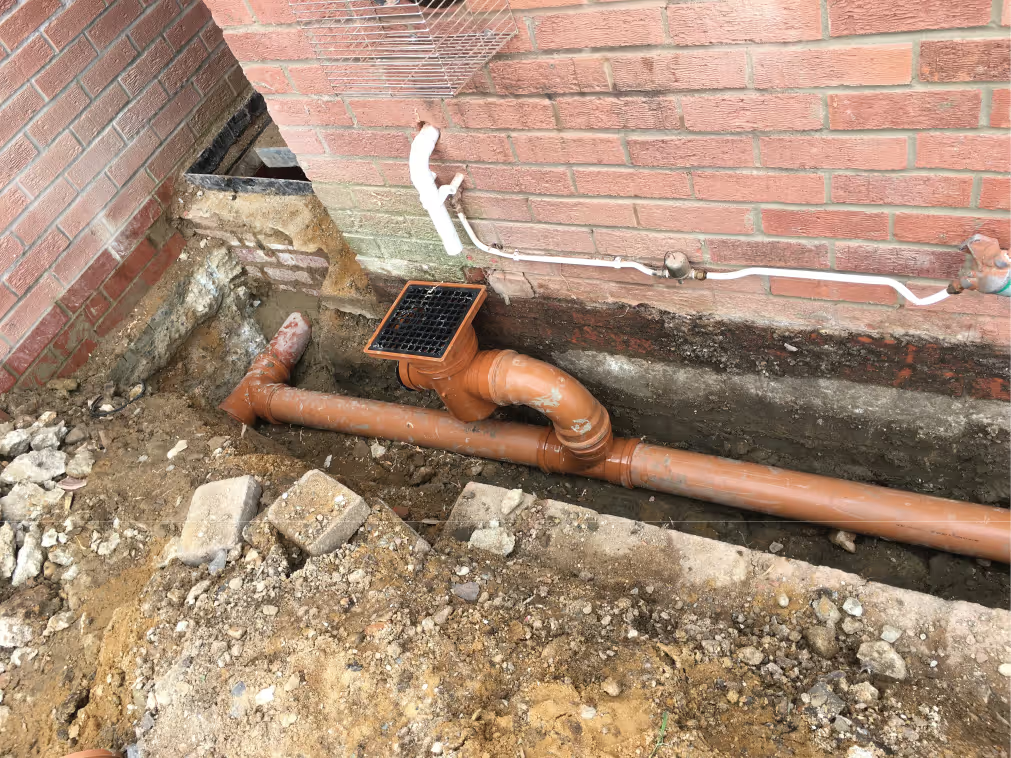
Once rain water is safely drained from the roof of a house, down the drainpipe to ground level it needs to then travel safely to the underground drains or be channelled safely away from the building.
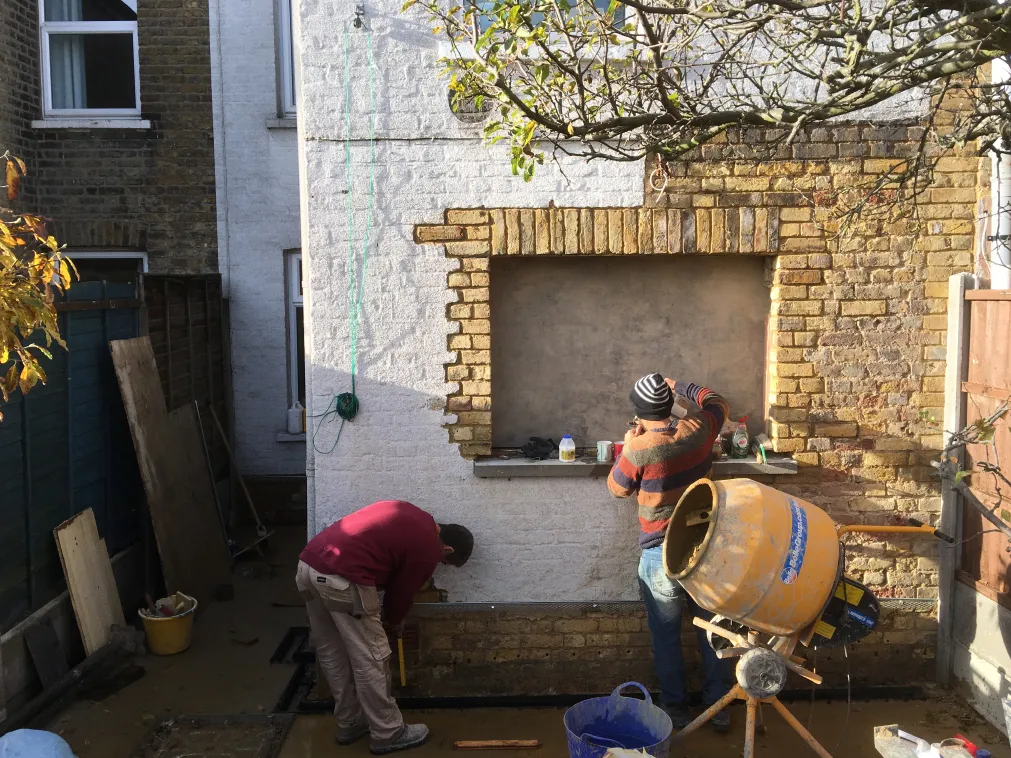
House refurbishment and structural reworking
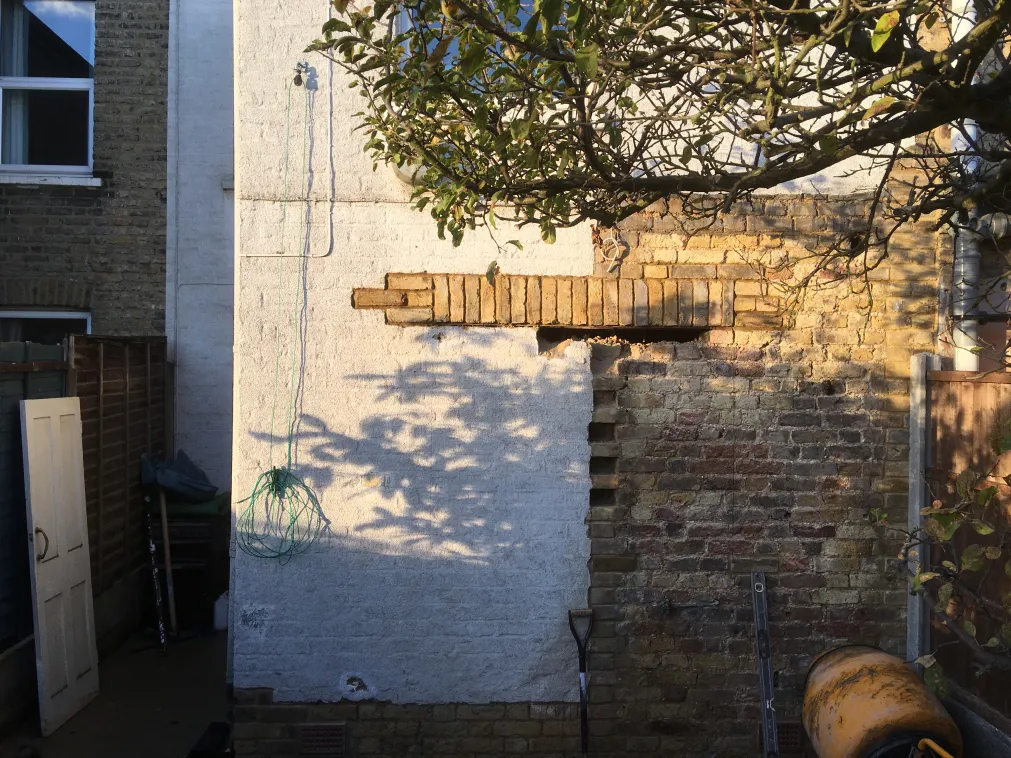
Sometimes a house works against the people living in it, with rooms too small and space in the wrong place. In the Golden Triangle of Norwich we restructured a house to gain a larger master bedroom and a larger second bedroom, by moving the staircase from the front of the house to the back. The new stair is a cut string staircase in ash, with a matching ash landing, a fan light door frame and ash architraves and skirts. The layout now suits how the house is lived in.
This particular house in the Golden Triangle of Norwich was restructured to gain a larger second bedroom and larger master bedroom by changing the position of the staircase from the front of the house to the back of the house. This was a cut string staircase made in Ash with matching ash landing and Fan light door frame (to light landing with natural light during the day) with ash architraves and skirts.
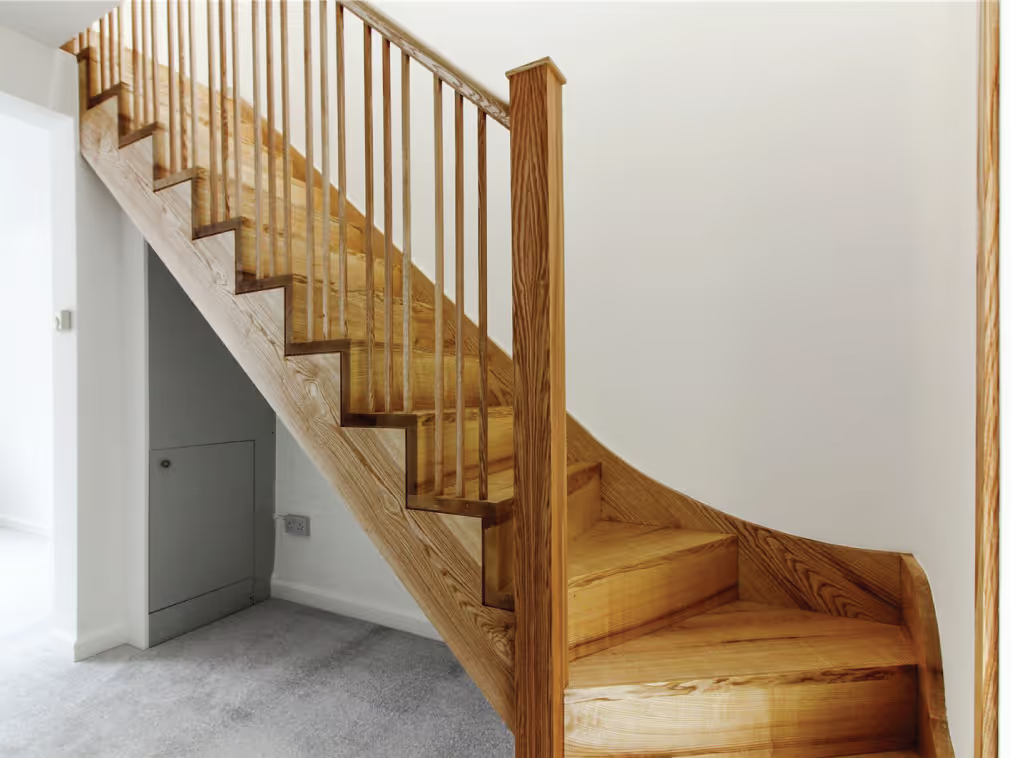
This particular house in the Golden Triangle of Norwich was restructured to gain a larger second bedroom and larger master bedroom by changing the position of the staircase from the front of the house to the back of the house. This was a cut string staircase made in Ash with matching ash landing and Fan light door frame (to light landing with natural light during the day) with ash architraves and skirts.
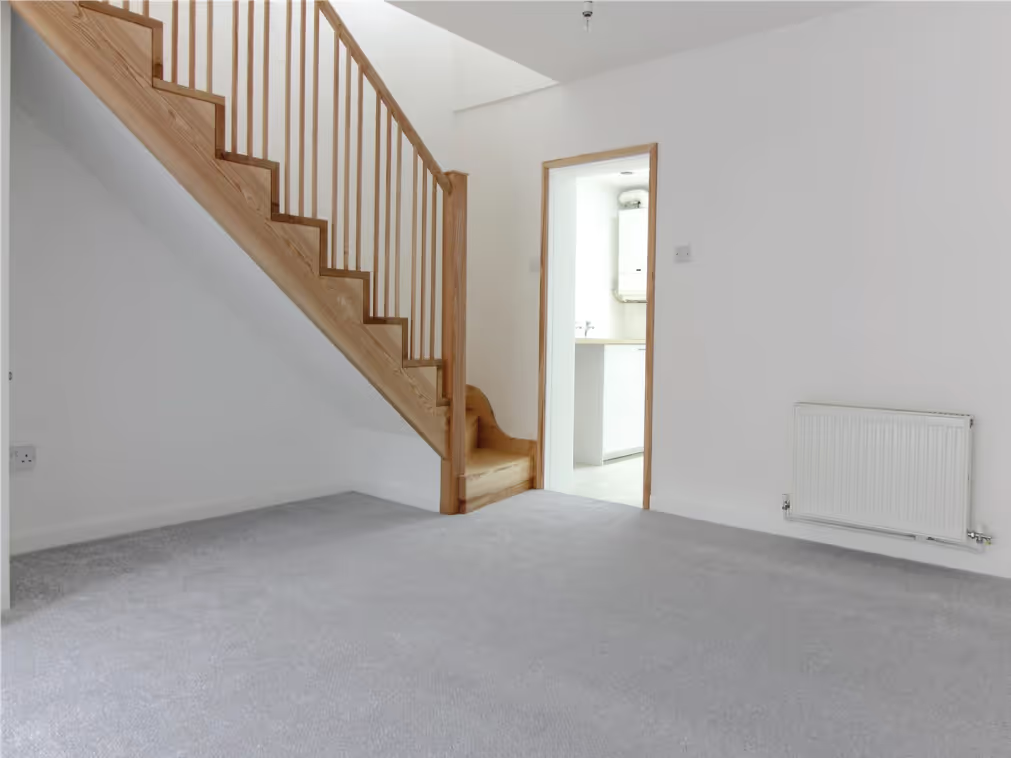
This particular house in the Golden Triangle of Norwich was restructured to gain a larger second bedroom and larger master bedroom by changing the position of the staircase from the front of the house to the back of the house. This was a cut string staircase made in Ash with matching ash landing and Fan light door frame (to light landing with natural light during the day) with ash architraves and skirts.
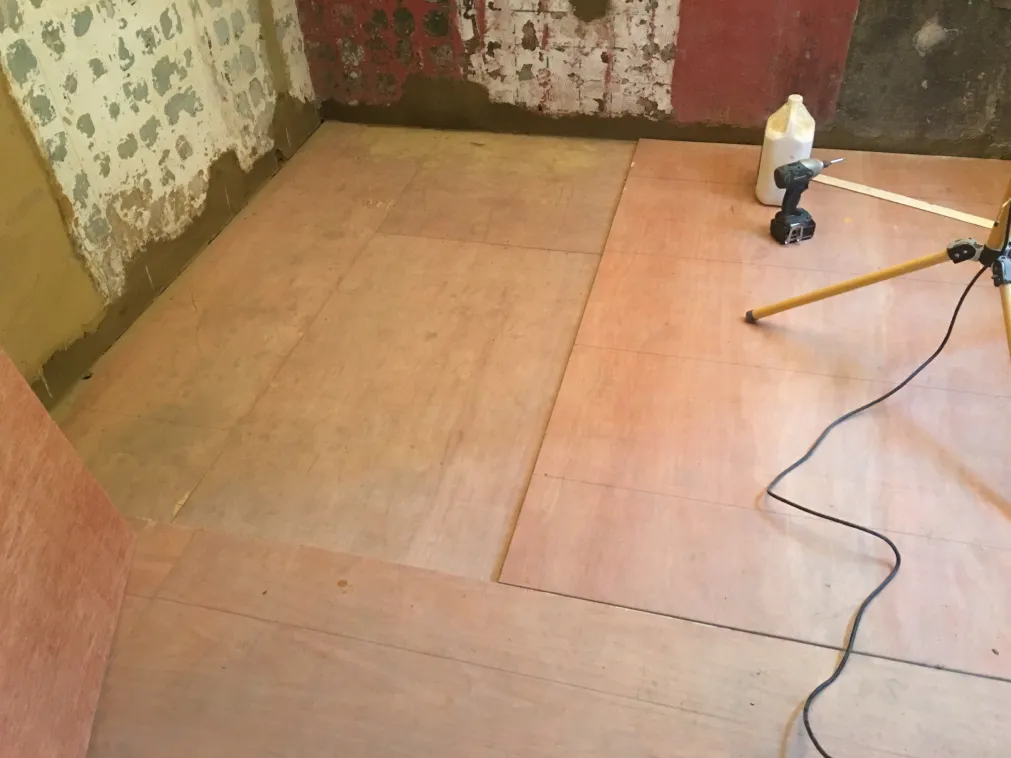
This particular house in the Golden Triangle of Norwich was restructured to gain a larger second bedroom and larger master bedroom by changing the position of the staircase from the front of the house to the back of the house. This was a cut string staircase made in Ash with matching ash landing and Fan light door frame (to light landing with natural light during the day) with ash architraves and skirts.
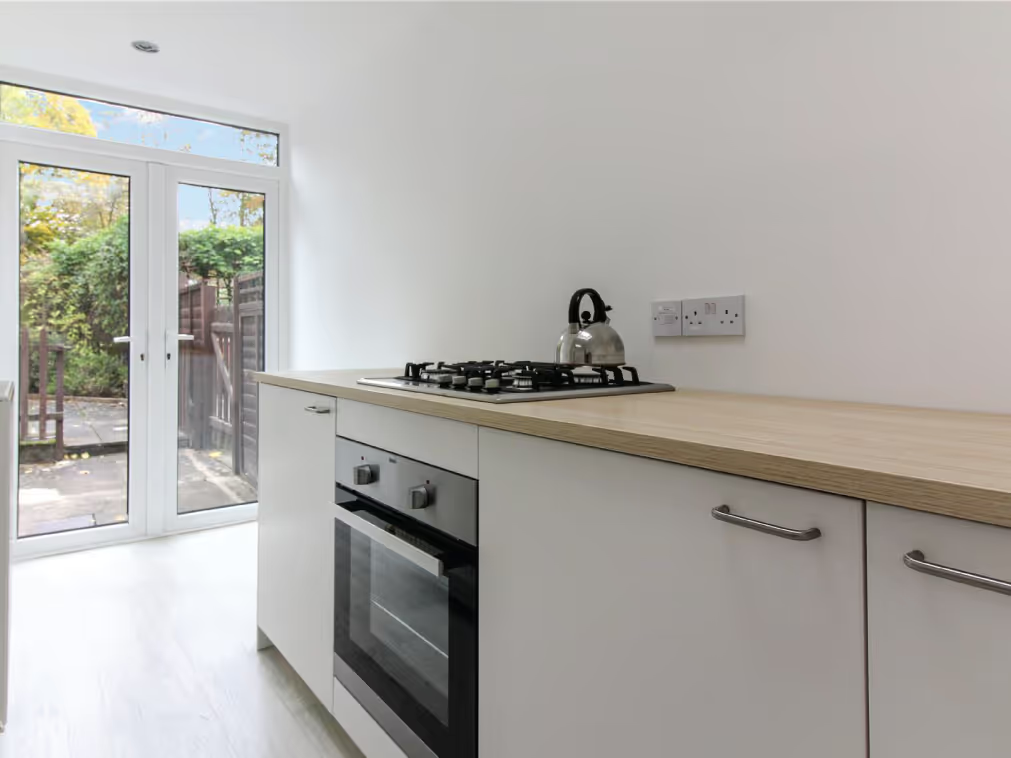
This particular house in the Golden Triangle of Norwich was restructured to gain a larger second bedroom and larger master bedroom by changing the position of the staircase from the front of the house to the back of the house. This was a cut string staircase made in Ash with matching ash landing and Fan light door frame (to light landing with natural light during the day) with ash architraves and skirts.
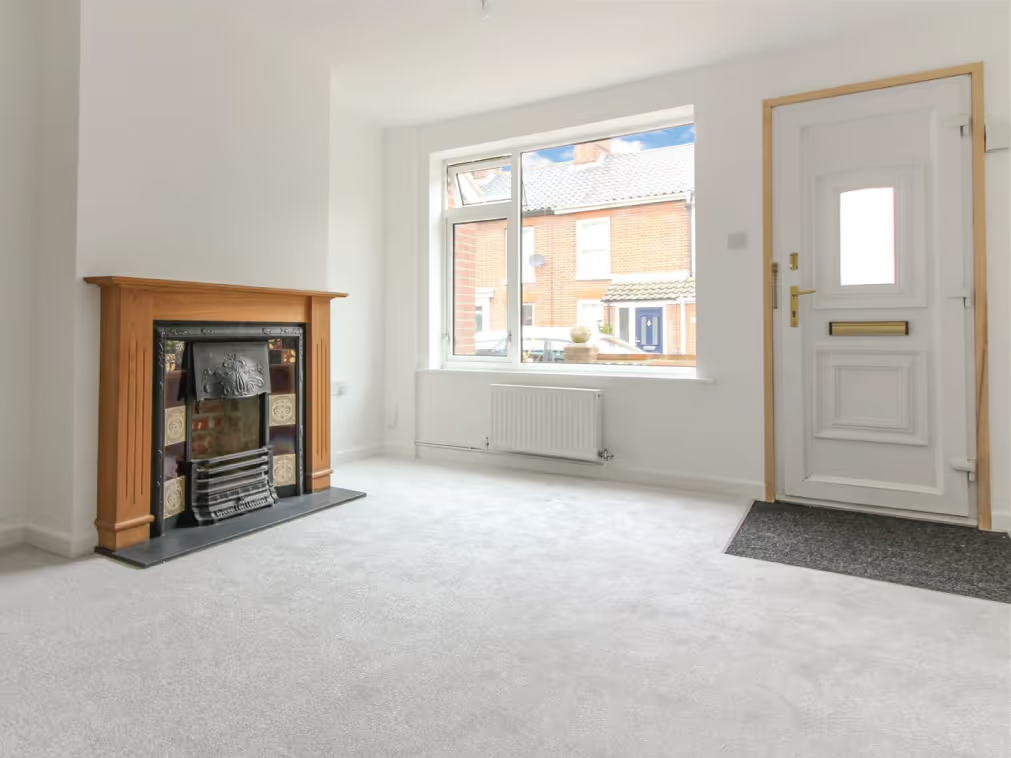
This particular house in the Golden Triangle of Norwich was restructured to gain a larger second bedroom and larger master bedroom by changing the position of the staircase from the front of the house to the back of the house. This was a cut string staircase made in Ash with matching ash landing and Fan light door frame (to light landing with natural light during the day) with ash architraves and skirts.
Sash and timber window restoration
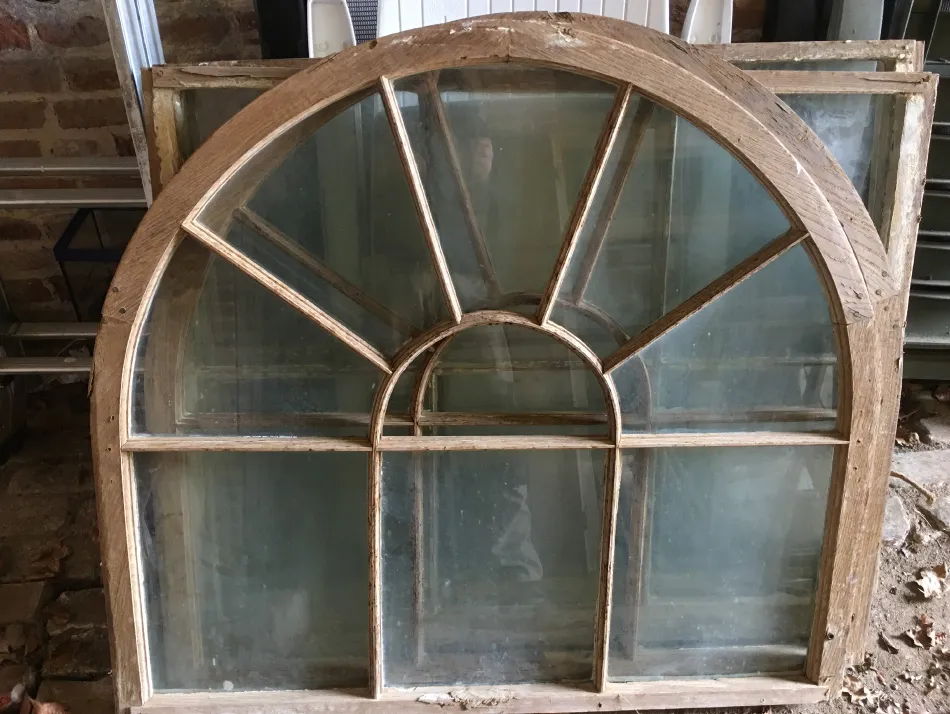
Old timber windows fail slowly, as the grain opens, mechanisms seize and paint lets go, until the window no longer seals or moves. At the former naval hospital at Great Yarmouth we removed the oak windows and stripped them back to bare wood. Damaged sections were spliced in, the open grain was filled with resin, then the windows were re-glazed and painted. Missing sash mechanisms were sourced and fitted, the sashes weighed and balanced with new weights, the pockets restored, a topcoat applied and the shutters reinstalled. The building is a former naval hospital that closed in 1993 and was later sold for private development, according to rnhgy.org.uk.
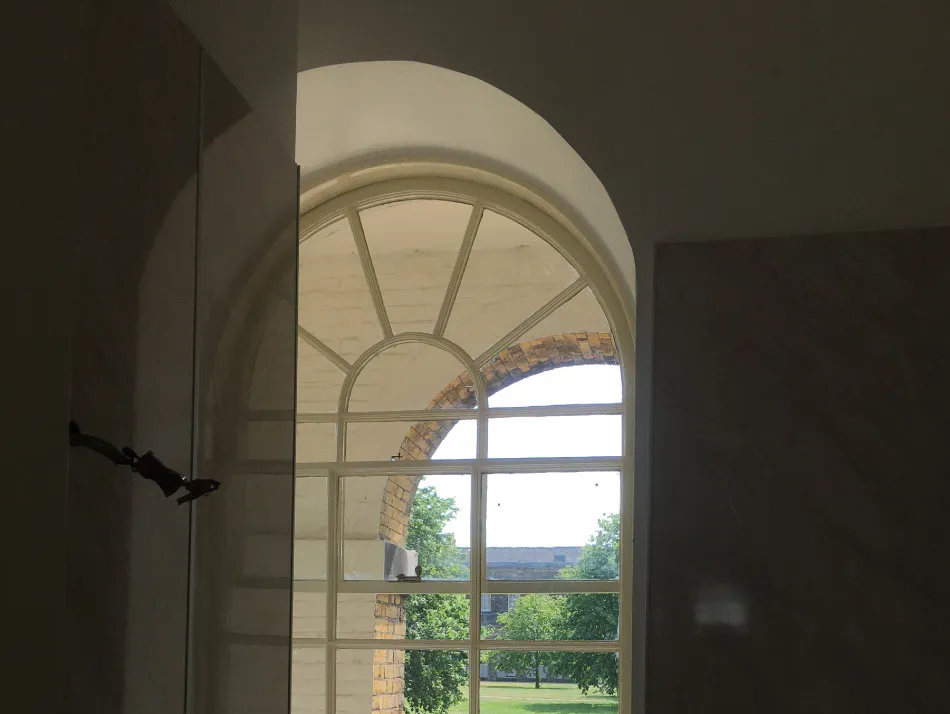
This was a restoration project on part of the Royal Naval Hospital in Great Yarmouth Completed in 1811, it was commissioned by the Admiralty to care for the sick and wounded of the Royal Navy's North Sea Fleet in its battles with the Napoleonic French Navy.
It has also been used by the Army as a barracks and hospital, and has taken in casualties from the Battle of Waterloo and the Indian Mutiny. From 1863, the Hospital treated Royal Navy servicemen suffering from mental illness.
In 1958, it became an NHS psychiatric hospital (St Nicholas Hospital) before closure in 1993 and sale for private development as houses and apartments.
The oak windows were carefully removed and stripped of their paint to bare wood (oak). Sections of damaged wood were spliced in where required. In sections the grain of the oak had opened up and needed to be filled with resin. The windows were then re-glazed and painted. The bow windows were often missing the sash mechanisms which were sourced and installed. The sashes were weighed and then balanced with new weights which were installed in the pockets - which also needed extensive restoration. When they were all working smoothly they were topcoat. It was then time for the reinstallation of the shutters.
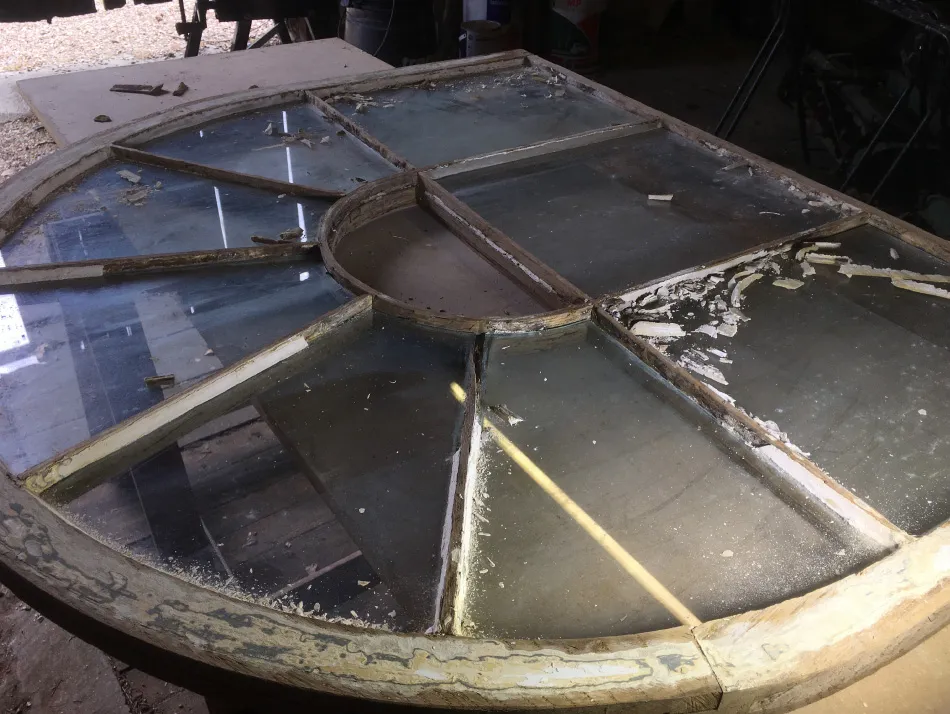
This was a restoration project on part of the Royal Naval Hospital in Great Yarmouth Completed in 1811, it was commissioned by the Admiralty to care for the sick and wounded of the Royal Navy's North Sea Fleet in its battles with the Napoleonic French Navy.
It has also been used by the Army as a barracks and hospital, and has taken in casualties from the Battle of Waterloo and the Indian Mutiny. From 1863, the Hospital treated Royal Navy servicemen suffering from mental illness.
In 1958, it became an NHS psychiatric hospital (St Nicholas Hospital) before closure in 1993 and sale for private development as houses and apartments.
The oak windows were carefully removed and stripped of their paint to bare wood (oak). Sections of damaged wood were spliced in where required. In sections the grain of the oak had opened up and needed to be filled with resin. The windows were then re-glazed and painted. The bow windows were often missing the sash mechanisms which were sourced and installed. The sashes were weighed and then balanced with new weights which were installed in the pockets - which also needed extensive restoration. When they were all working smoothly they were topcoat. It was then time for the reinstallation of the shutters.
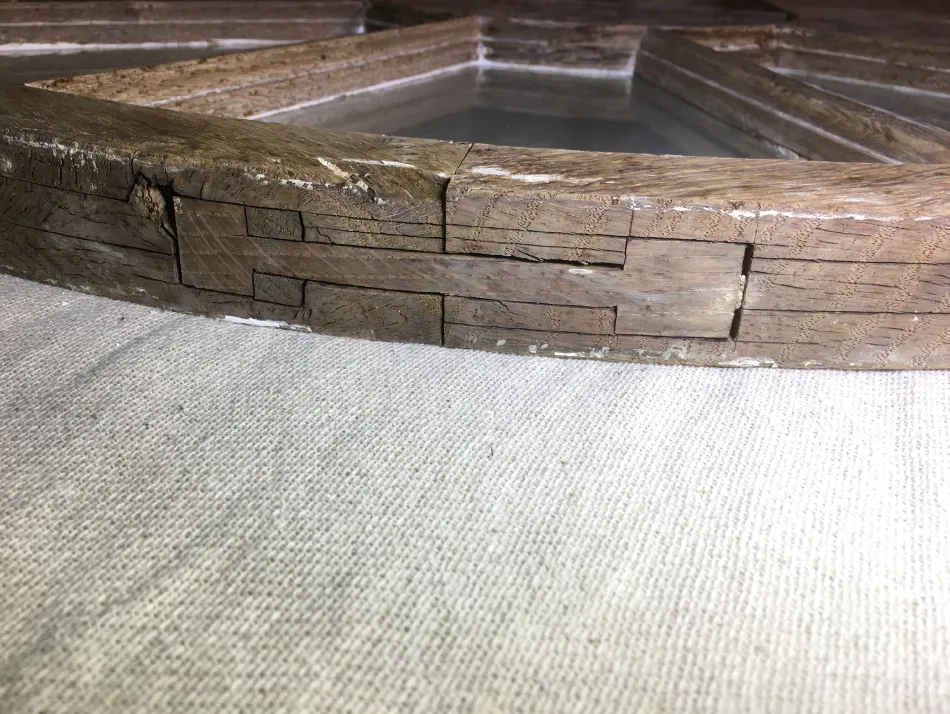
This was a restoration project on part of the Royal Naval Hospital in Great Yarmouth Completed in 1811, it was commissioned by the Admiralty to care for the sick and wounded of the Royal Navy's North Sea Fleet in its battles with the Napoleonic French Navy.
It has also been used by the Army as a barracks and hospital, and has taken in casualties from the Battle of Waterloo and the Indian Mutiny. From 1863, the Hospital treated Royal Navy servicemen suffering from mental illness.
In 1958, it became an NHS psychiatric hospital (St Nicholas Hospital) before closure in 1993 and sale for private development as houses and apartments.
The oak windows were carefully removed and stripped of their paint to bare wood (oak). Sections of damaged wood were spliced in where required. In sections the grain of the oak had opened up and needed to be filled with resin. The windows were then re-glazed and painted. The bow windows were often missing the sash mechanisms which were sourced and installed. The sashes were weighed and then balanced with new weights which were installed in the pockets - which also needed extensive restoration. When they were all working smoothly they were topcoat. It was then time for the reinstallation of the shutters.
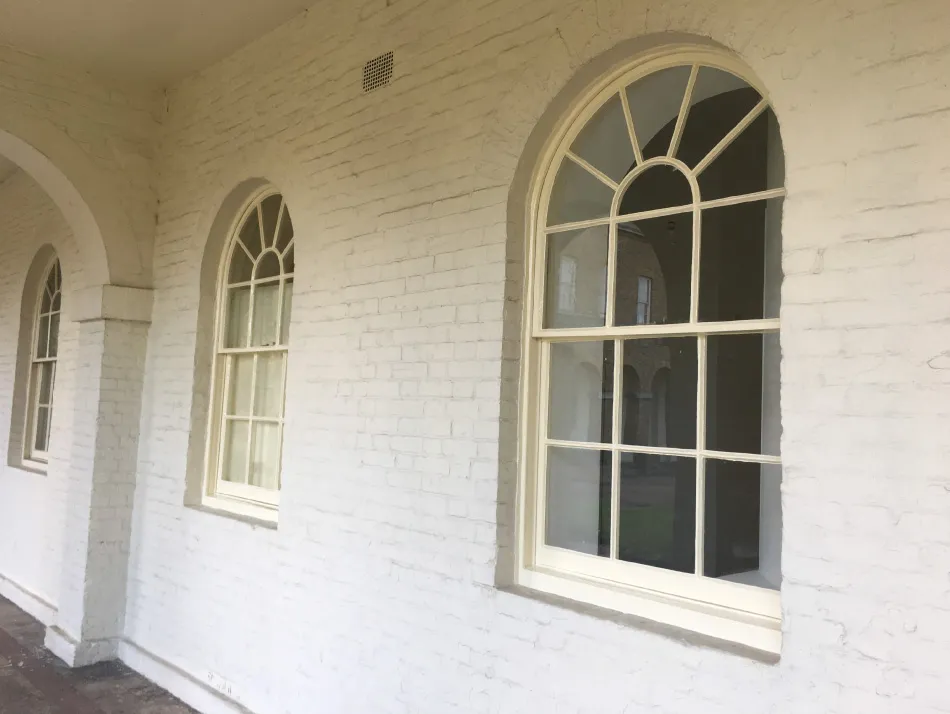
This was a restoration project on part of the Royal Naval Hospital in Great Yarmouth Completed in 1811, it was commissioned by the Admiralty to care for the sick and wounded of the Royal Navy's North Sea Fleet in its battles with the Napoleonic French Navy.
It has also been used by the Army as a barracks and hospital, and has taken in casualties from the Battle of Waterloo and the Indian Mutiny. From 1863, the Hospital treated Royal Navy servicemen suffering from mental illness.
In 1958, it became an NHS psychiatric hospital (St Nicholas Hospital) before closure in 1993 and sale for private development as houses and apartments.
The oak windows were carefully removed and stripped of their paint to bare wood (oak). Sections of damaged wood were spliced in where required. In sections the grain of the oak had opened up and needed to be filled with resin. The windows were then re-glazed and painted. The bow windows were often missing the sash mechanisms which were sourced and installed. The sashes were weighed and then balanced with new weights which were installed in the pockets - which also needed extensive restoration. When they were all working smoothly they were topcoat. It was then time for the reinstallation of the shutters.
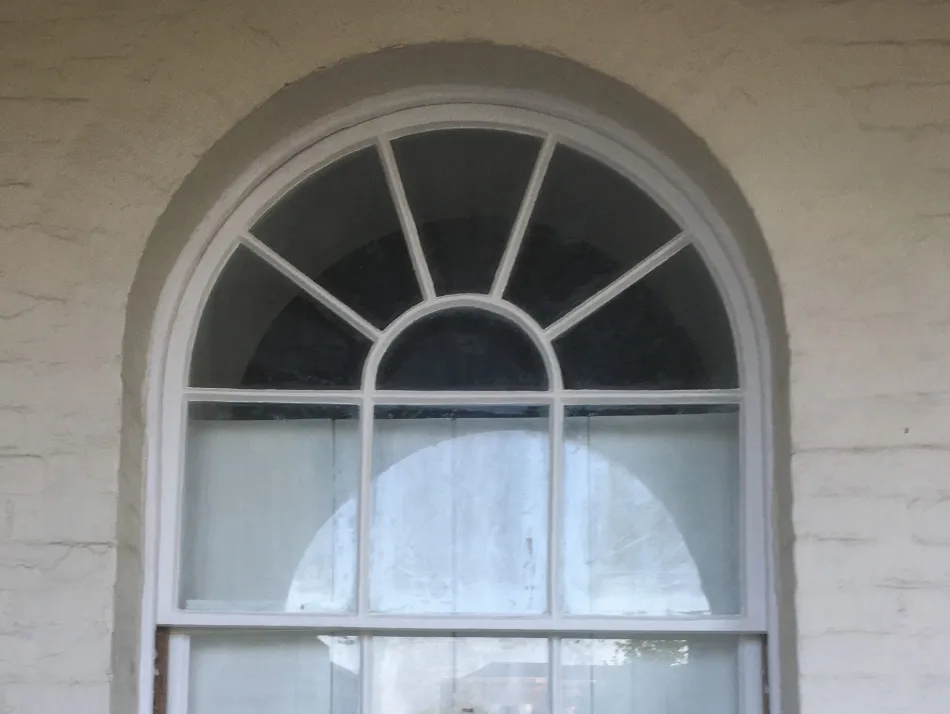
This was a restoration project on part of the Royal Naval Hospital in Great Yarmouth Completed in 1811, it was commissioned by the Admiralty to care for the sick and wounded of the Royal Navy's North Sea Fleet in its battles with the Napoleonic French Navy.
It has also been used by the Army as a barracks and hospital, and has taken in casualties from the Battle of Waterloo and the Indian Mutiny. From 1863, the Hospital treated Royal Navy servicemen suffering from mental illness.
In 1958, it became an NHS psychiatric hospital (St Nicholas Hospital) before closure in 1993 and sale for private development as houses and apartments.
The oak windows were carefully removed and stripped of their paint to bare wood (oak). Sections of damaged wood were spliced in where required. In sections the grain of the oak had opened up and needed to be filled with resin. The windows were then re-glazed and painted. The bow windows were often missing the sash mechanisms which were sourced and installed. The sashes were weighed and then balanced with new weights which were installed in the pockets - which also needed extensive restoration. When they were all working smoothly they were topcoat. It was then time for the reinstallation of the shutters.
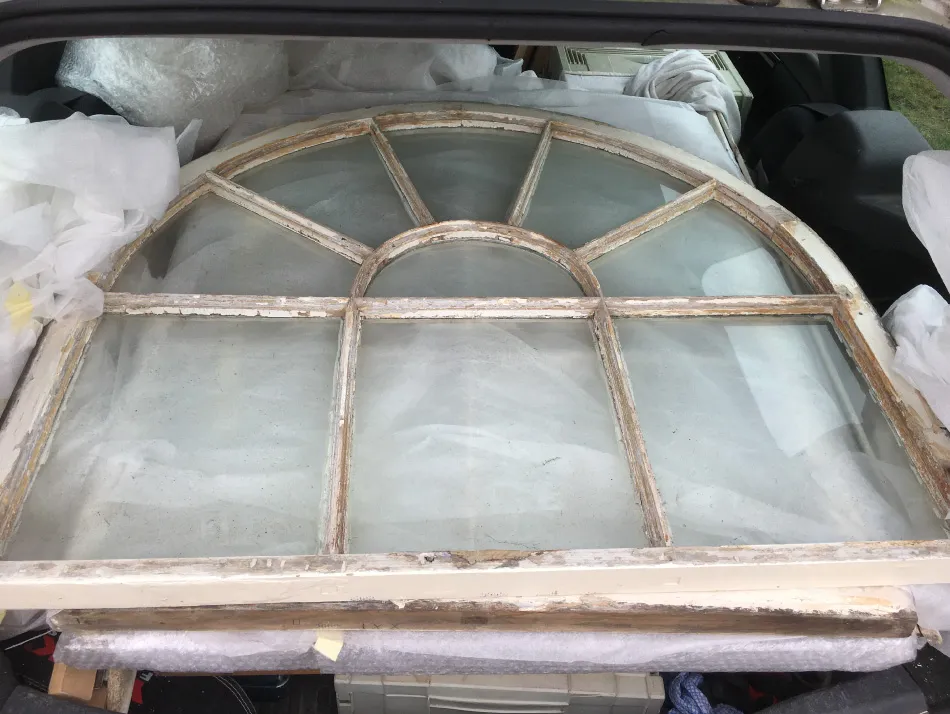
This was a restoration project on part of the Royal Naval Hospital in Great Yarmouth Completed in 1811, it was commissioned by the Admiralty to care for the sick and wounded of the Royal Navy's North Sea Fleet in its battles with the Napoleonic French Navy.
It has also been used by the Army as a barracks and hospital, and has taken in casualties from the Battle of Waterloo and the Indian Mutiny. From 1863, the Hospital treated Royal Navy servicemen suffering from mental illness.
In 1958, it became an NHS psychiatric hospital (St Nicholas Hospital) before closure in 1993 and sale for private development as houses and apartments.
The oak windows were carefully removed and stripped of their paint to bare wood (oak). Sections of damaged wood were spliced in where required. In sections the grain of the oak had opened up and needed to be filled with resin. The windows were then re-glazed and painted. The bow windows were often missing the sash mechanisms which were sourced and installed. The sashes were weighed and then balanced with new weights which were installed in the pockets - which also needed extensive restoration. When they were all working smoothly they were topcoat. It was then time for the reinstallation of the shutters.
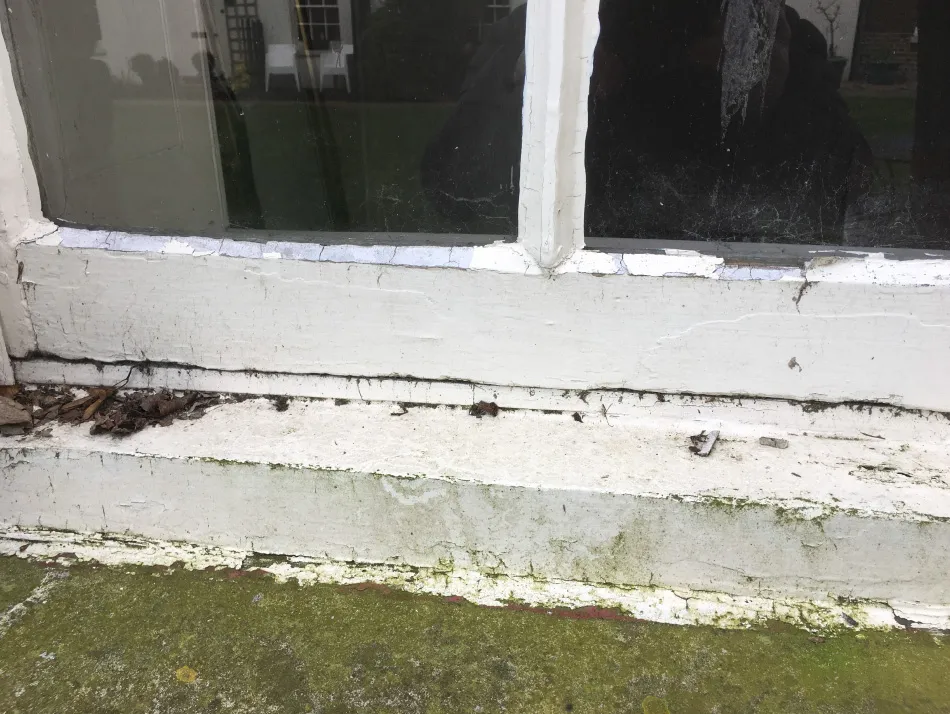
This was a restoration project on part of the Royal Naval Hospital in Great Yarmouth Completed in 1811, it was commissioned by the Admiralty to care for the sick and wounded of the Royal Navy's North Sea Fleet in its battles with the Napoleonic French Navy.
It has also been used by the Army as a barracks and hospital, and has taken in casualties from the Battle of Waterloo and the Indian Mutiny. From 1863, the Hospital treated Royal Navy servicemen suffering from mental illness.
In 1958, it became an NHS psychiatric hospital (St Nicholas Hospital) before closure in 1993 and sale for private development as houses and apartments.
The oak windows were carefully removed and stripped of their paint to bare wood (oak). Sections of damaged wood were spliced in where required. In sections the grain of the oak had opened up and needed to be filled with resin. The windows were then re-glazed and painted. The bow windows were often missing the sash mechanisms which were sourced and installed. The sashes were weighed and then balanced with new weights which were installed in the pockets - which also needed extensive restoration. When they were all working smoothly they were topcoat. It was then time for the reinstallation of the shutters.
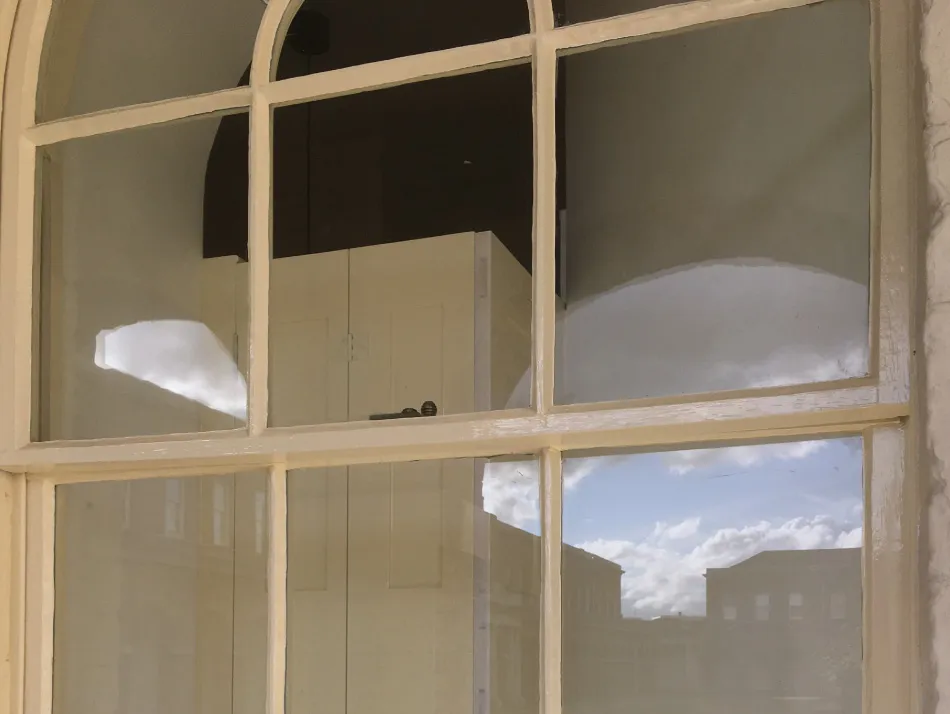
This was a restoration project on part of the Royal Naval Hospital in Great Yarmouth Completed in 1811, it was commissioned by the Admiralty to care for the sick and wounded of the Royal Navy's North Sea Fleet in its battles with the Napoleonic French Navy.
It has also been used by the Army as a barracks and hospital, and has taken in casualties from the Battle of Waterloo and the Indian Mutiny. From 1863, the Hospital treated Royal Navy servicemen suffering from mental illness.
In 1958, it became an NHS psychiatric hospital (St Nicholas Hospital) before closure in 1993 and sale for private development as houses and apartments.
The oak windows were carefully removed and stripped of their paint to bare wood (oak). Sections of damaged wood were spliced in where required. In sections the grain of the oak had opened up and needed to be filled with resin. The windows were then re-glazed and painted. The bow windows were often missing the sash mechanisms which were sourced and installed. The sashes were weighed and then balanced with new weights which were installed in the pockets - which also needed extensive restoration. When they were all working smoothly they were topcoat. It was then time for the reinstallation of the shutters.
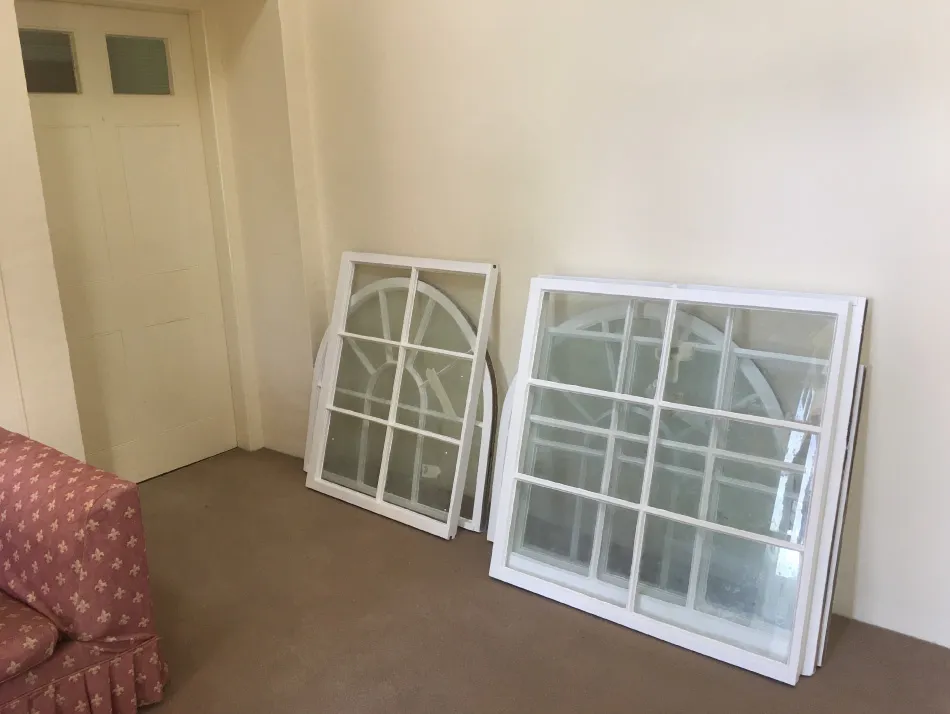
This was a restoration project on part of the Royal Naval Hospital in Great Yarmouth Completed in 1811, it was commissioned by the Admiralty to care for the sick and wounded of the Royal Navy's North Sea Fleet in its battles with the Napoleonic French Navy.
It has also been used by the Army as a barracks and hospital, and has taken in casualties from the Battle of Waterloo and the Indian Mutiny. From 1863, the Hospital treated Royal Navy servicemen suffering from mental illness.
In 1958, it became an NHS psychiatric hospital (St Nicholas Hospital) before closure in 1993 and sale for private development as houses and apartments.
The oak windows were carefully removed and stripped of their paint to bare wood (oak). Sections of damaged wood were spliced in where required. In sections the grain of the oak had opened up and needed to be filled with resin. The windows were then re-glazed and painted. The bow windows were often missing the sash mechanisms which were sourced and installed. The sashes were weighed and then balanced with new weights which were installed in the pockets - which also needed extensive restoration. When they were all working smoothly they were topcoat. It was then time for the reinstallation of the shutters.
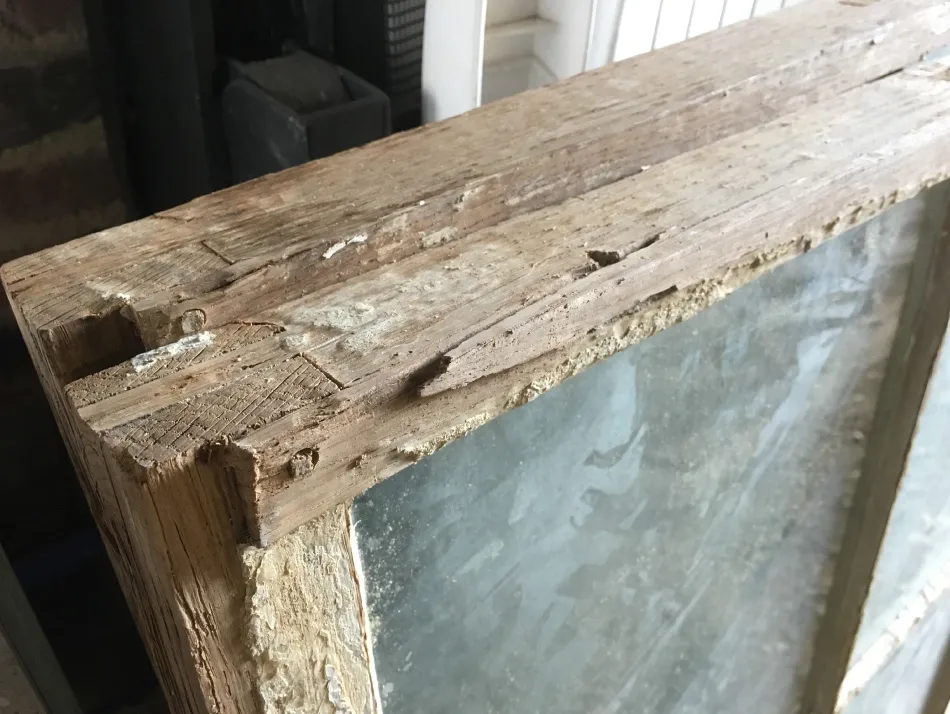
This was a restoration project on part of the Royal Naval Hospital in Great Yarmouth Completed in 1811, it was commissioned by the Admiralty to care for the sick and wounded of the Royal Navy's North Sea Fleet in its battles with the Napoleonic French Navy.
It has also been used by the Army as a barracks and hospital, and has taken in casualties from the Battle of Waterloo and the Indian Mutiny. From 1863, the Hospital treated Royal Navy servicemen suffering from mental illness.
In 1958, it became an NHS psychiatric hospital (St Nicholas Hospital) before closure in 1993 and sale for private development as houses and apartments.
The oak windows were carefully removed and stripped of their paint to bare wood (oak). Sections of damaged wood were spliced in where required. In sections the grain of the oak had opened up and needed to be filled with resin. The windows were then re-glazed and painted. The bow windows were often missing the sash mechanisms which were sourced and installed. The sashes were weighed and then balanced with new weights which were installed in the pockets - which also needed extensive restoration. When they were all working smoothly they were topcoat. It was then time for the reinstallation of the shutters.
Glasshouse maintenance and rebuilding
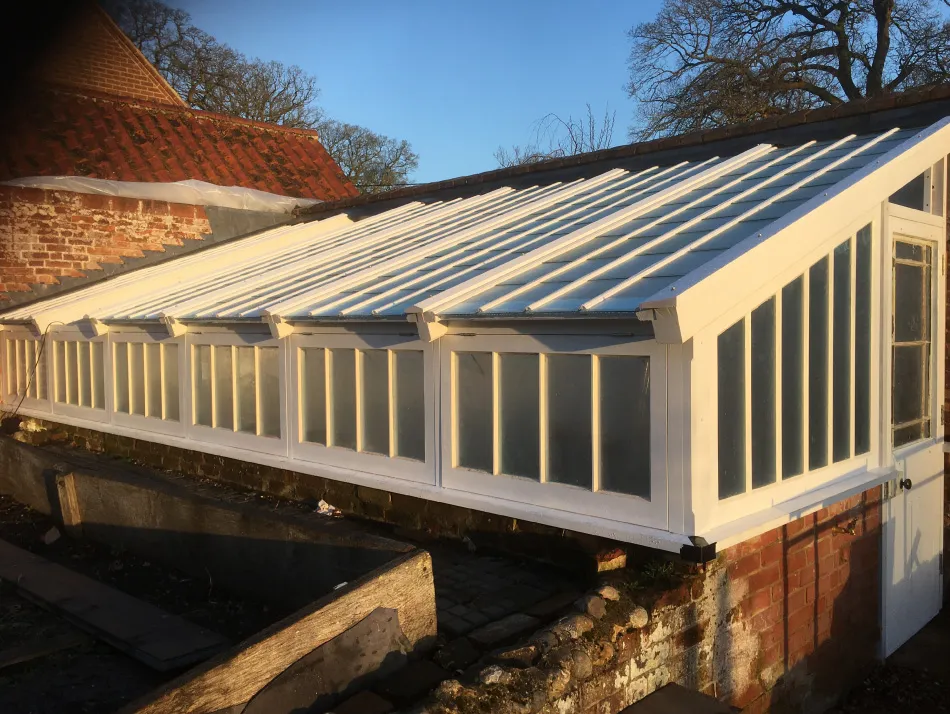
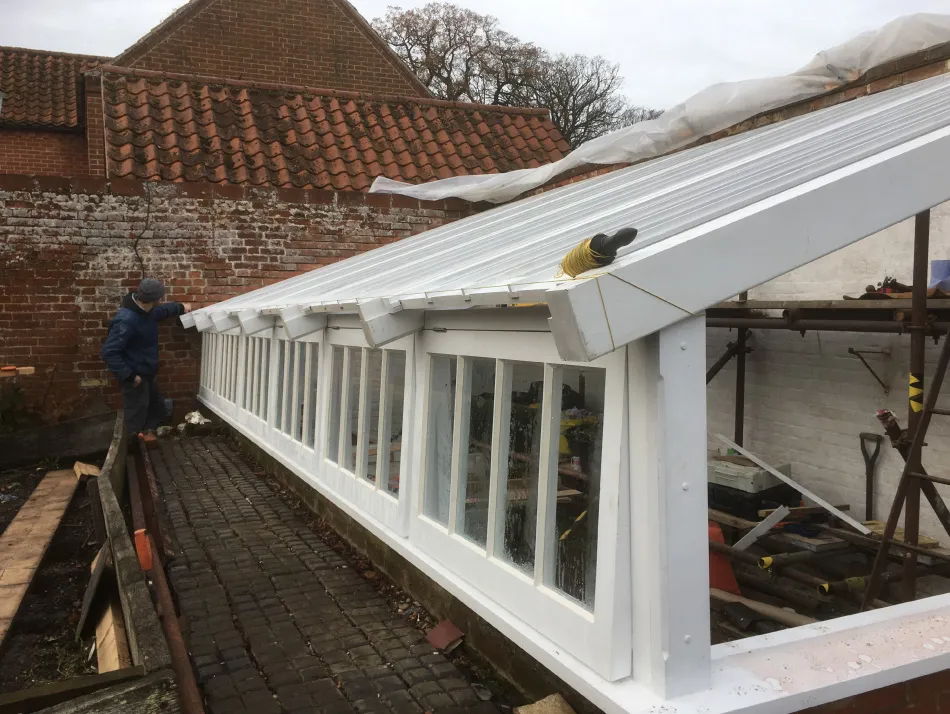
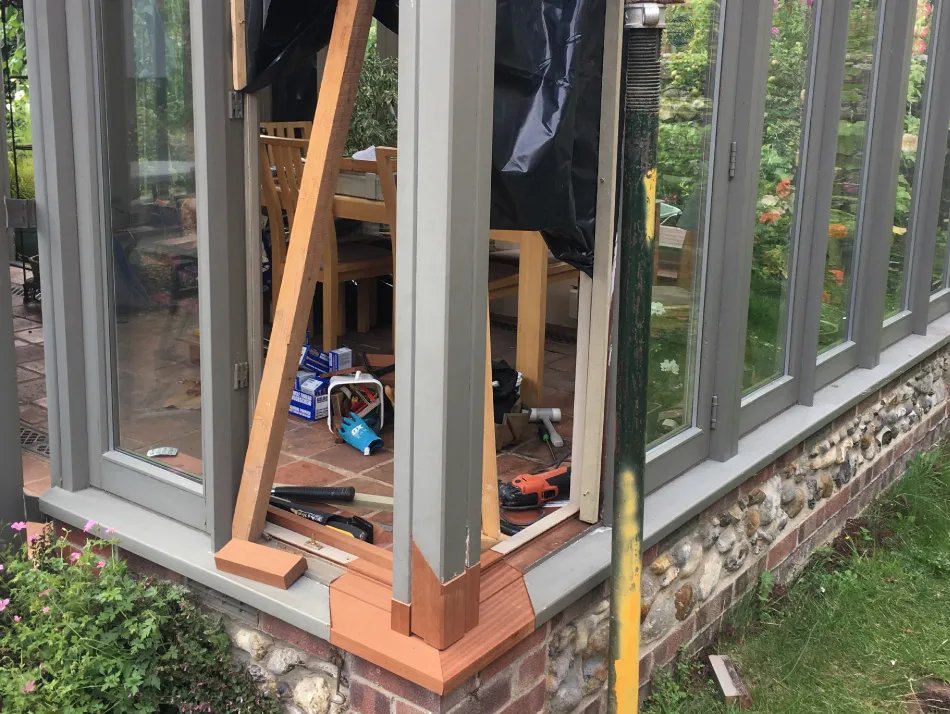
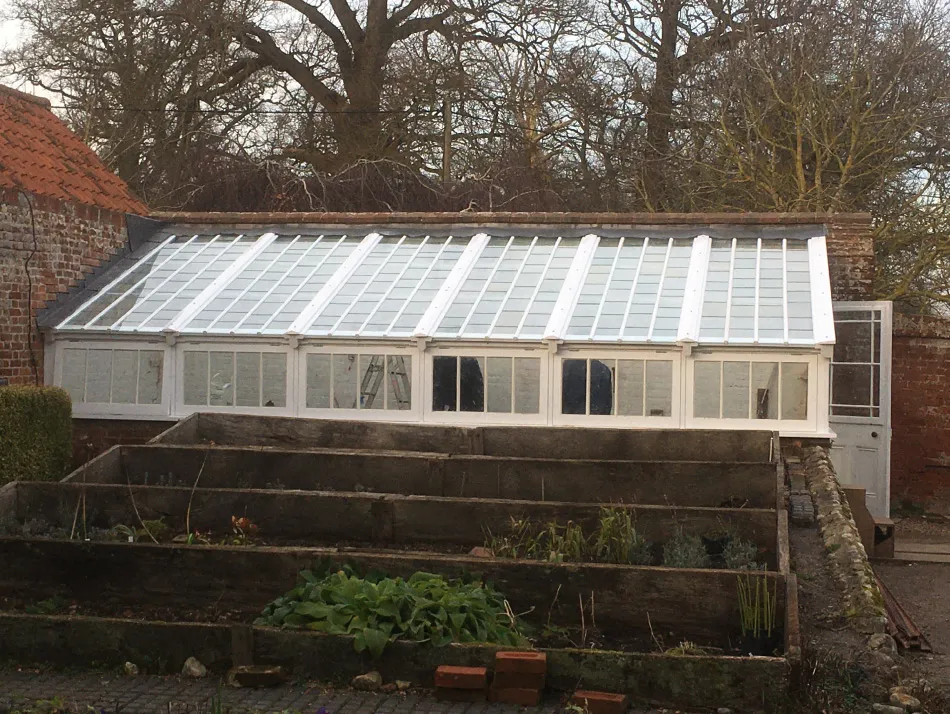
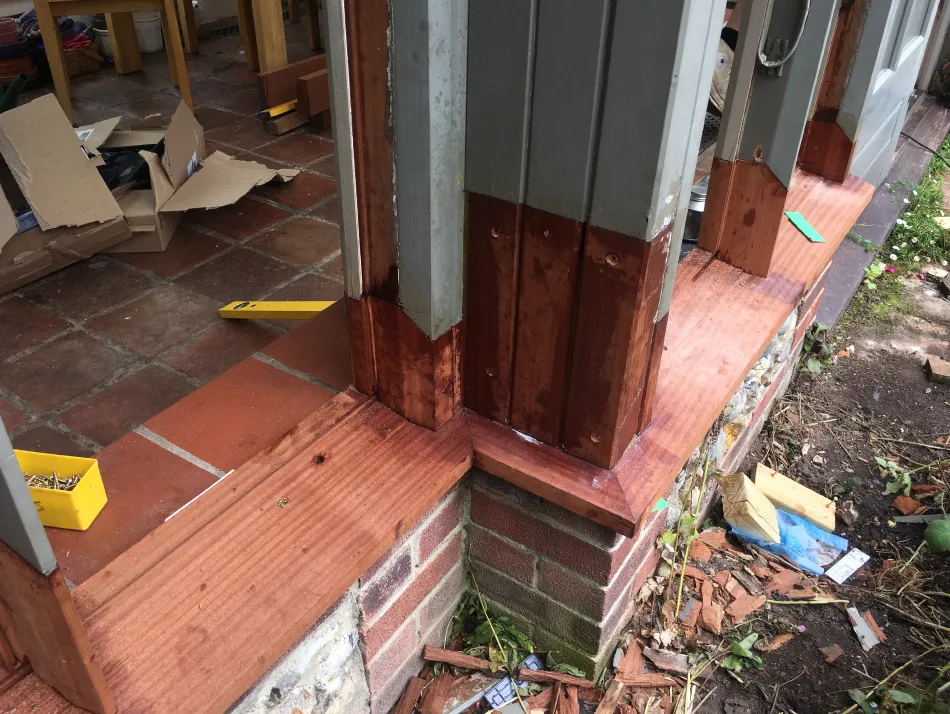
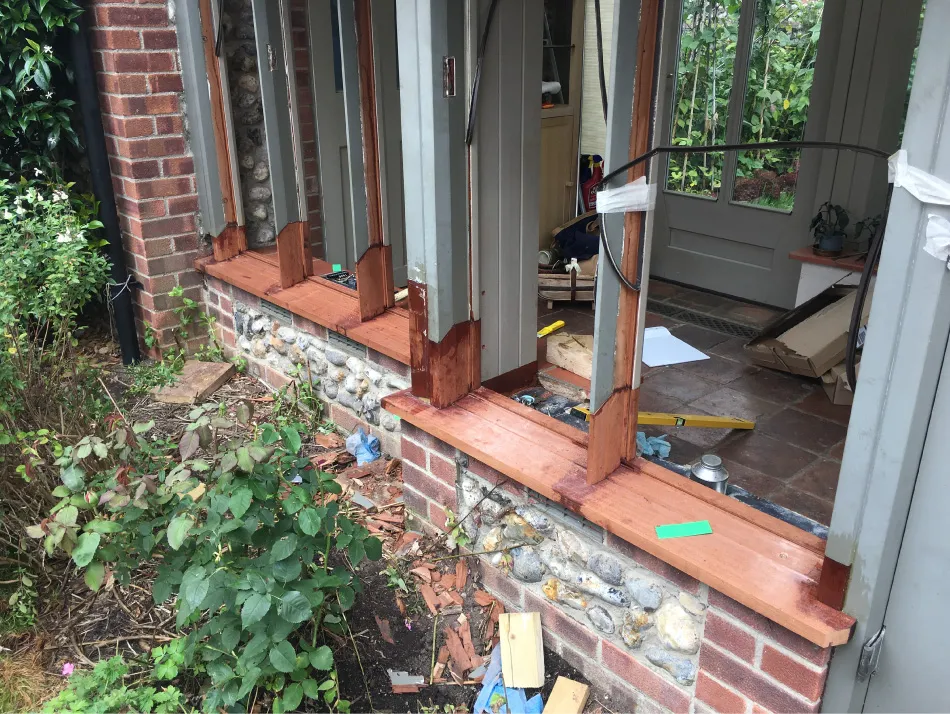
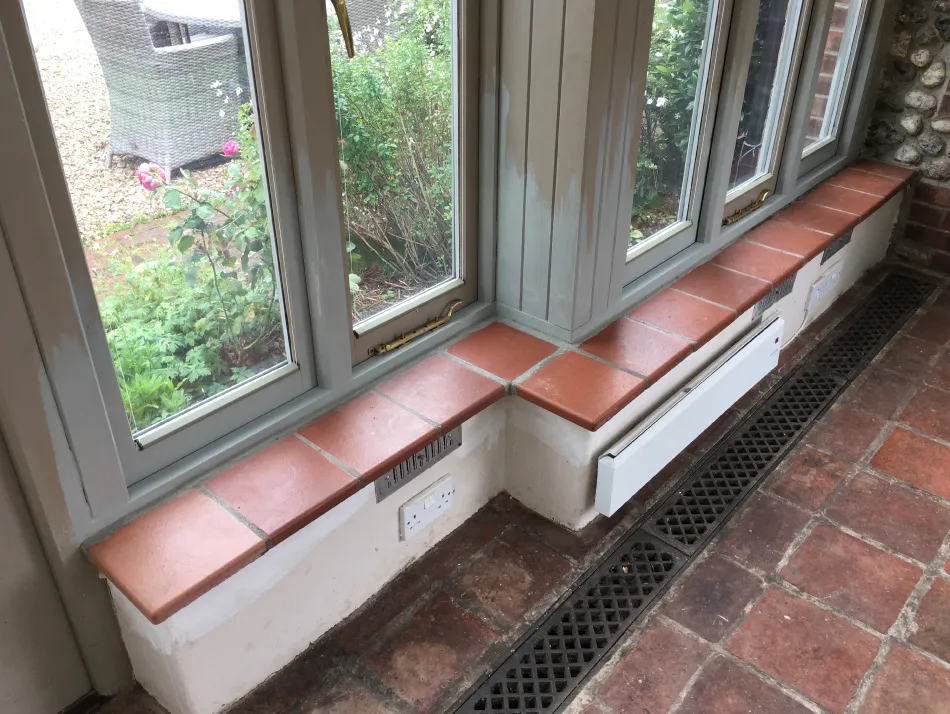
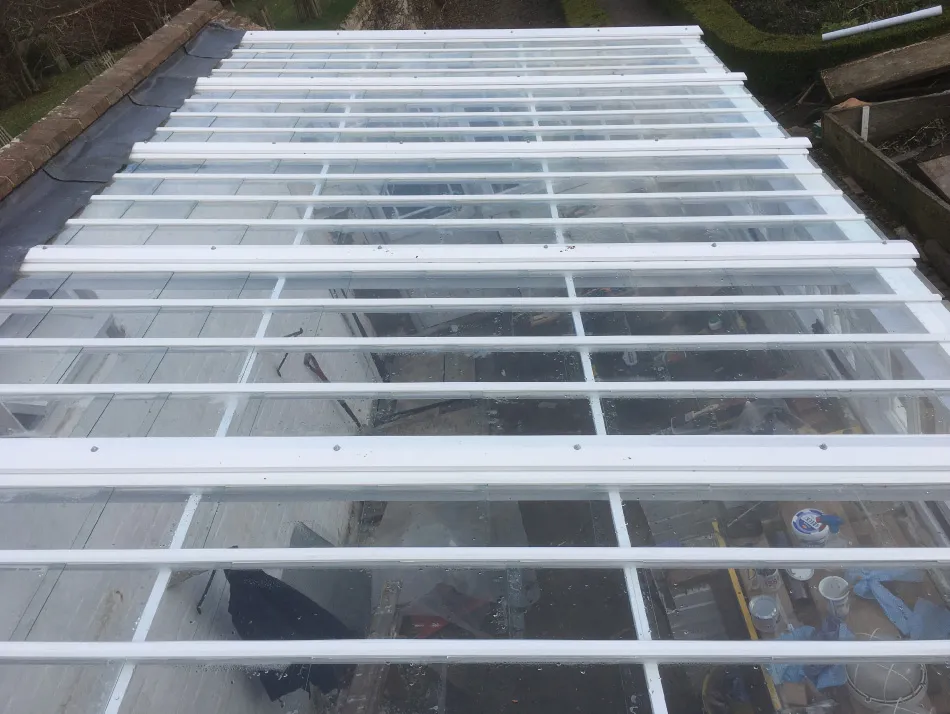
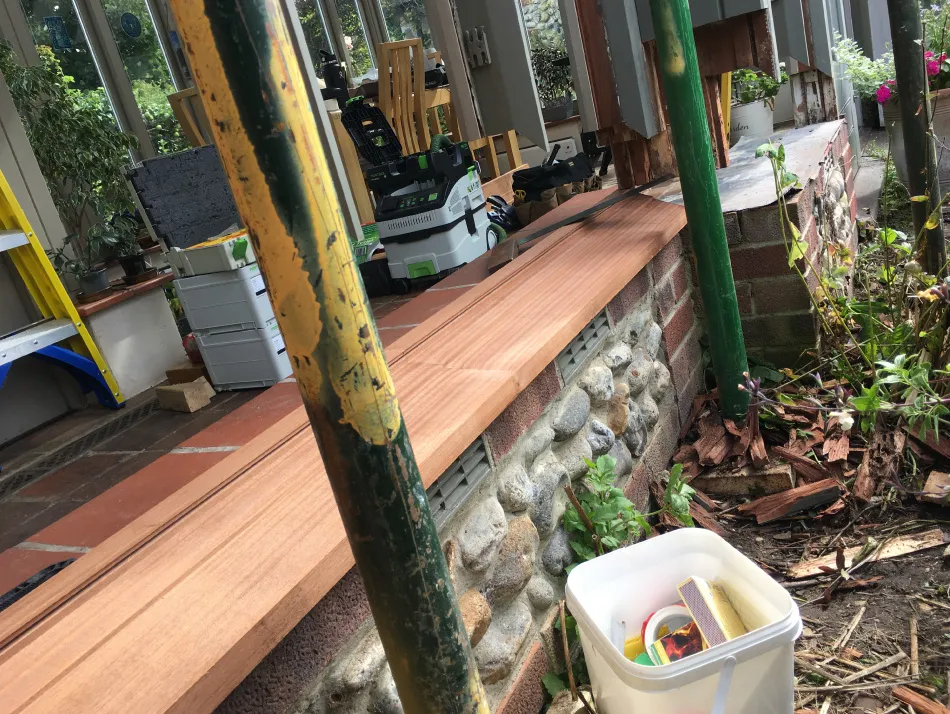
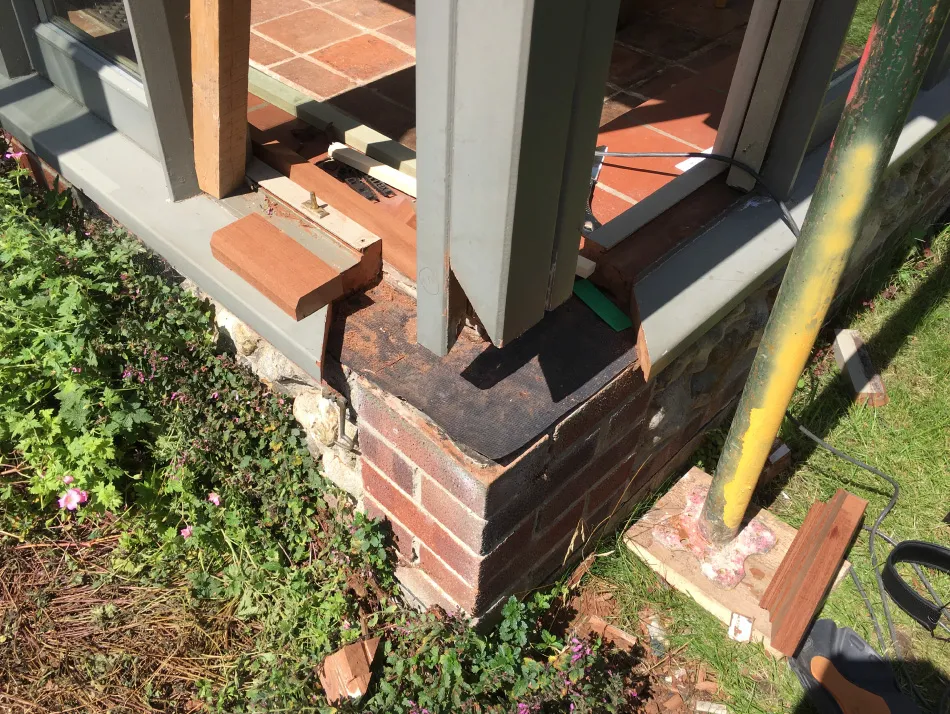
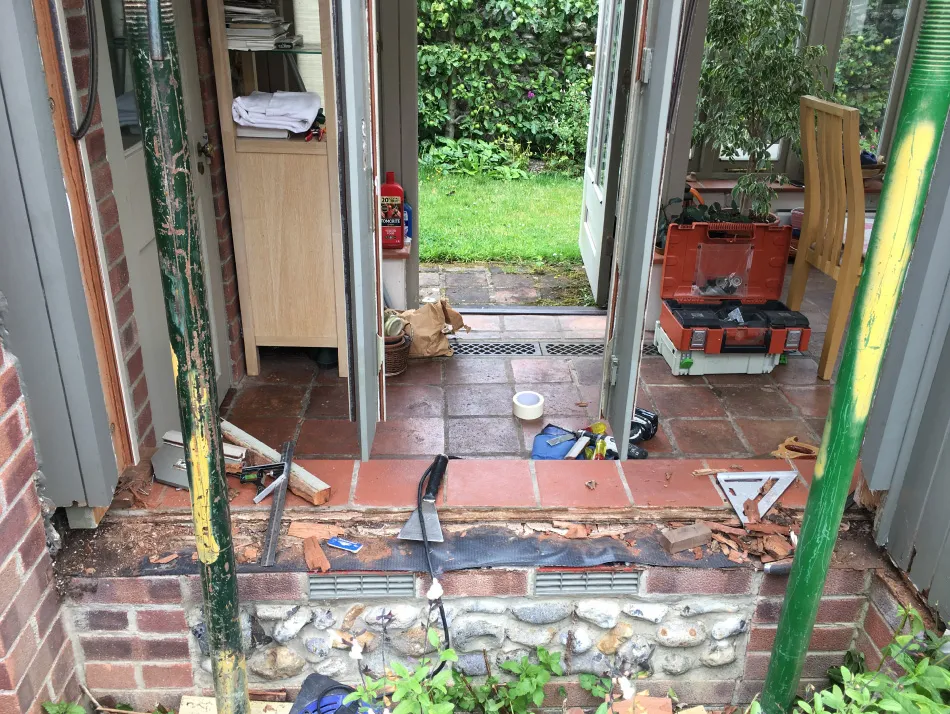
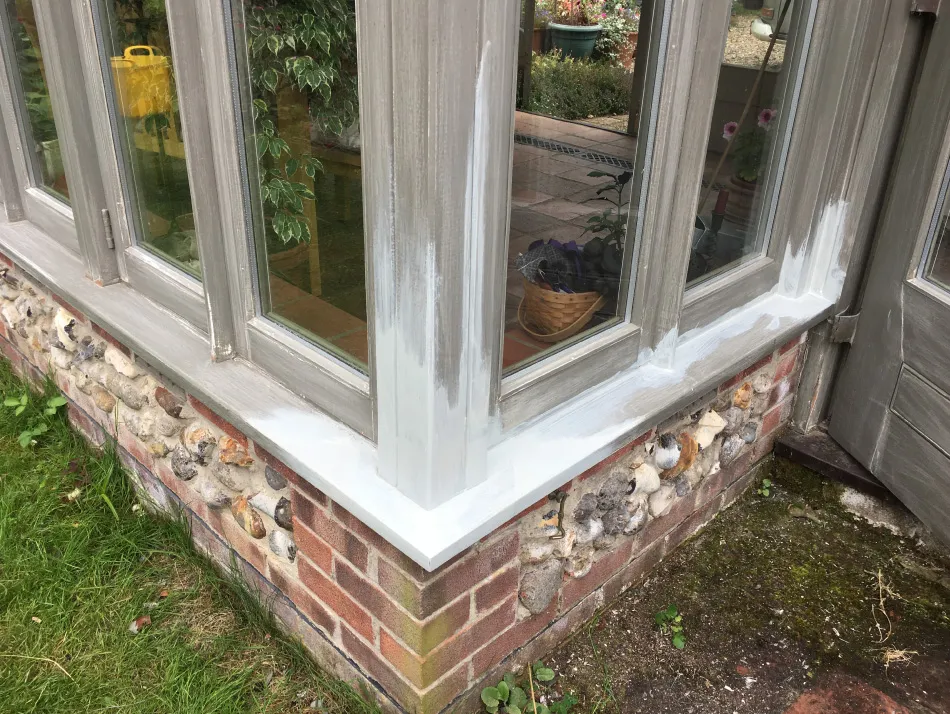
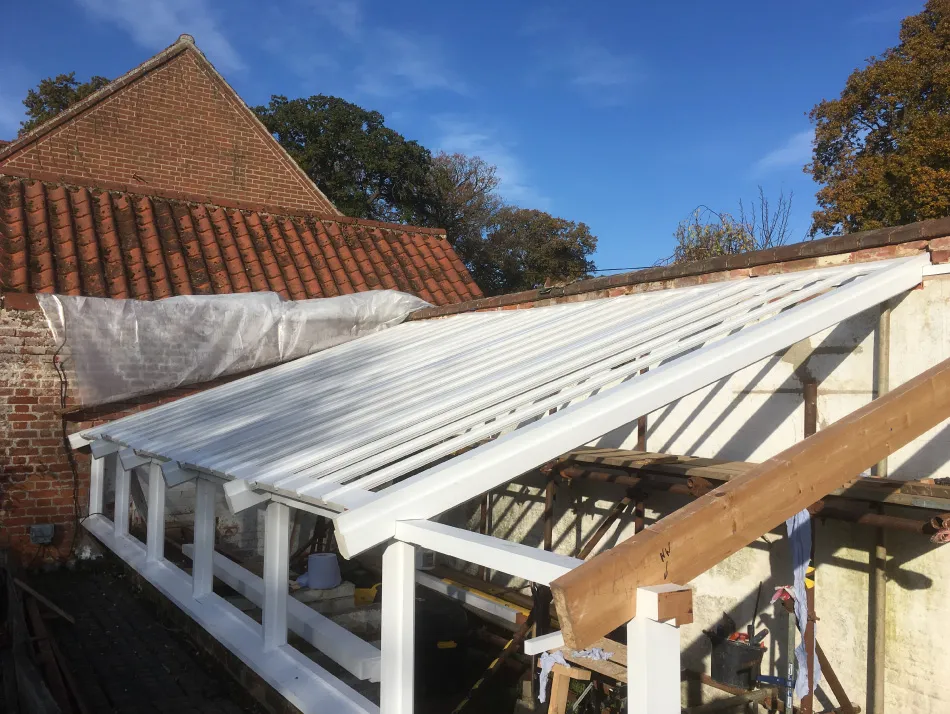
A glasshouse takes more weather than almost anything else on a property, exposed all year round to wind, sun, rain and frost. Wood, glass, brick, metal and paint all expand and contract at their own rate, which is why the structure needs regular attention and, in some cases, a total rebuild. We both maintain and rebuild them. Kept sound, a glasshouse is a fine place to grow things.
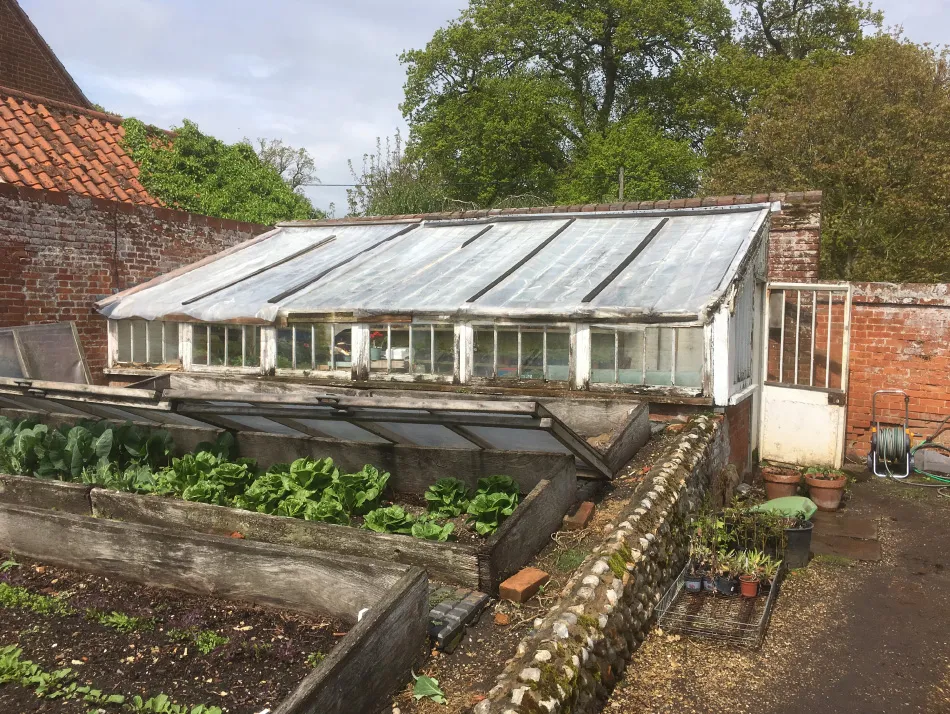
A great place to grow things, these buildings are unusual structures which are exposed to the elements in every way. All year round they are exposed to wind, sun, rain and frost. The structures expand and contract between the different materials - wood, glass, brick, metal and paint. Because of this they require maintenance and in some case total rebuilding!
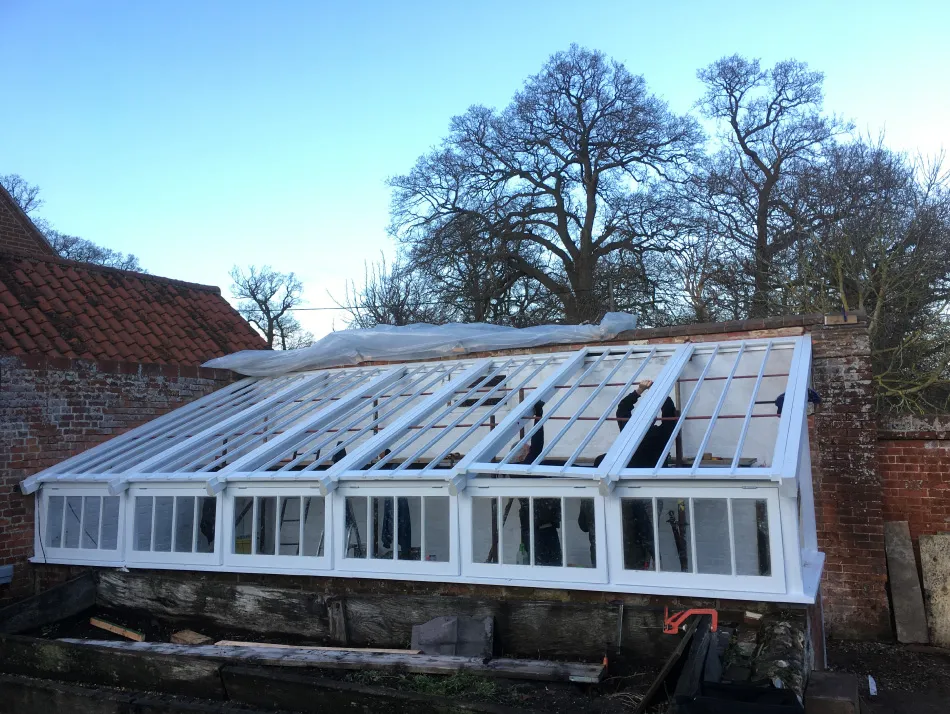
A great place to grow things, these buildings are unusual structures which are exposed to the elements in every way. All year round they are exposed to wind, sun, rain and frost. The structures expand and contract between the different materials - wood, glass, brick, metal and paint. Because of this they require maintenance and in some case total rebuilding!
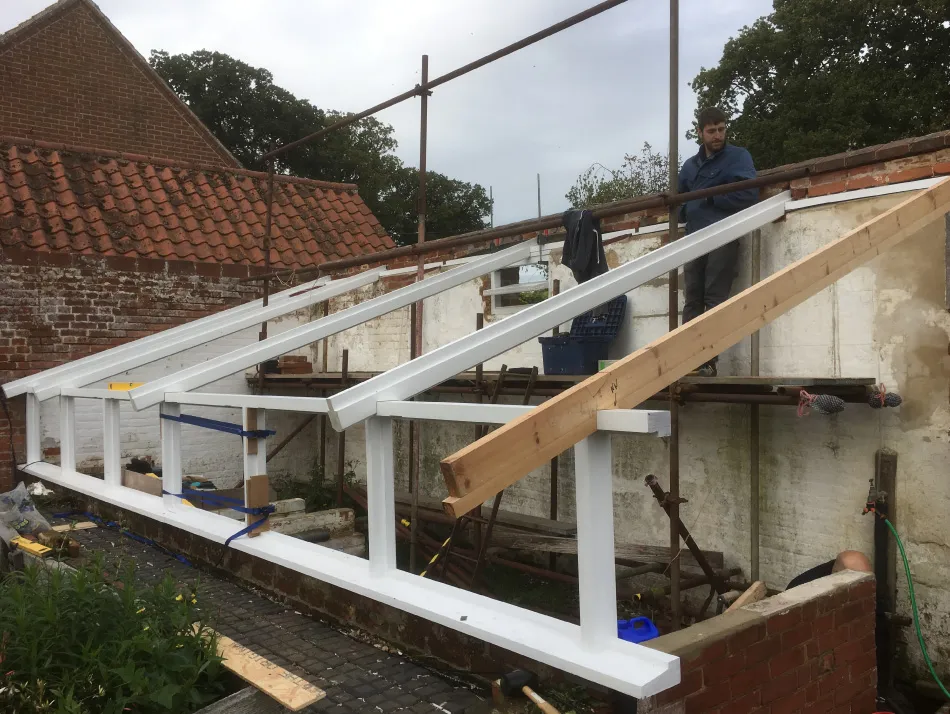
A great place to grow things, these buildings are unusual structures which are exposed to the elements in every way. All year round they are exposed to wind, sun, rain and frost. The structures expand and contract between the different materials - wood, glass, brick, metal and paint. Because of this they require maintenance and in some case total rebuilding!
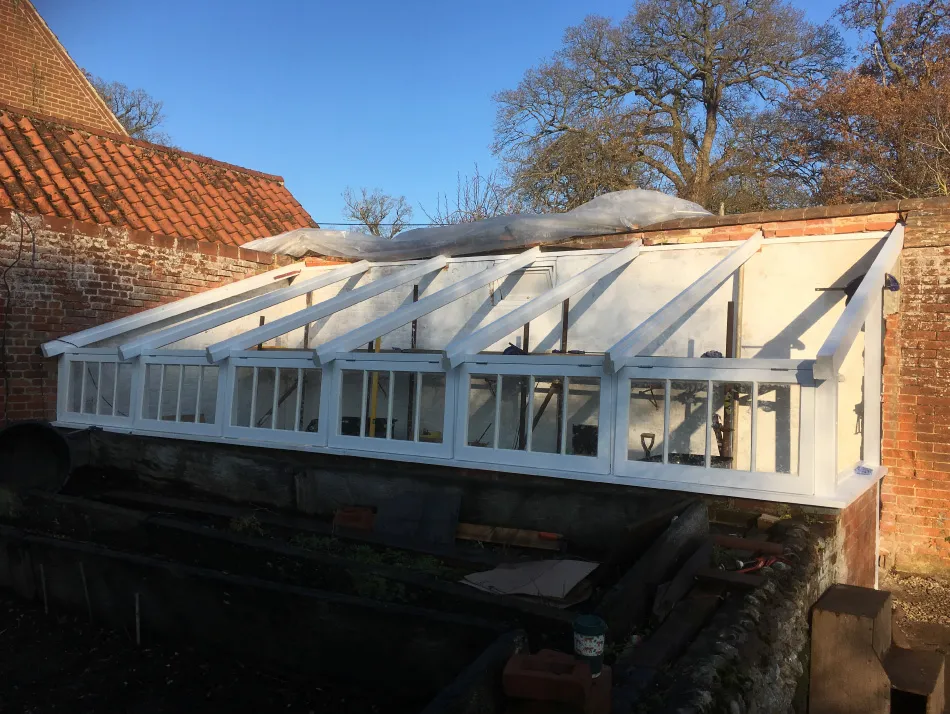
A great place to grow things, these buildings are unusual structures which are exposed to the elements in every way. All year round they are exposed to wind, sun, rain and frost. The structures expand and contract between the different materials - wood, glass, brick, metal and paint. Because of this they require maintenance and in some case total rebuilding!
A great place to grow things, these buildings are unusual structures which are exposed to the elements in every way. All year round they are exposed to wind, sun, rain and frost. The structures expand and contract between the different materials - wood, glass, brick, metal and paint. Because of this they require maintenance and in some case total rebuilding!
A great place to grow things, these buildings are unusual structures which are exposed to the elements in every way. All year round they are exposed to wind, sun, rain and frost. The structures expand and contract between the different materials - wood, glass, brick, metal and paint. Because of this they require maintenance and in some case total rebuilding!
A great place to grow things, these buildings are unusual structures which are exposed to the elements in every way. All year round they are exposed to wind, sun, rain and frost. The structures expand and contract between the different materials - wood, glass, brick, metal and paint. Because of this they require maintenance and in some case total rebuilding!
A great place to grow things, these buildings are unusual structures which are exposed to the elements in every way. All year round they are exposed to wind, sun, rain and frost. The structures expand and contract between the different materials - wood, glass, brick, metal and paint. Because of this they require maintenance and in some case total rebuilding!
A great place to grow things, these buildings are unusual structures which are exposed to the elements in every way. All year round they are exposed to wind, sun, rain and frost. The structures expand and contract between the different materials - wood, glass, brick, metal and paint. Because of this they require maintenance and in some case total rebuilding!
A great place to grow things, these buildings are unusual structures which are exposed to the elements in every way. All year round they are exposed to wind, sun, rain and frost. The structures expand and contract between the different materials - wood, glass, brick, metal and paint. Because of this they require maintenance and in some case total rebuilding!
A great place to grow things, these buildings are unusual structures which are exposed to the elements in every way. All year round they are exposed to wind, sun, rain and frost. The structures expand and contract between the different materials - wood, glass, brick, metal and paint. Because of this they require maintenance and in some case total rebuilding!
A great place to grow things, these buildings are unusual structures which are exposed to the elements in every way. All year round they are exposed to wind, sun, rain and frost. The structures expand and contract between the different materials - wood, glass, brick, metal and paint. Because of this they require maintenance and in some case total rebuilding!
A great place to grow things, these buildings are unusual structures which are exposed to the elements in every way. All year round they are exposed to wind, sun, rain and frost. The structures expand and contract between the different materials - wood, glass, brick, metal and paint. Because of this they require maintenance and in some case total rebuilding!
A great place to grow things, these buildings are unusual structures which are exposed to the elements in every way. All year round they are exposed to wind, sun, rain and frost. The structures expand and contract between the different materials - wood, glass, brick, metal and paint. Because of this they require maintenance and in some case total rebuilding!
A great place to grow things, these buildings are unusual structures which are exposed to the elements in every way. All year round they are exposed to wind, sun, rain and frost. The structures expand and contract between the different materials - wood, glass, brick, metal and paint. Because of this they require maintenance and in some case total rebuilding!
A great place to grow things, these buildings are unusual structures which are exposed to the elements in every way. All year round they are exposed to wind, sun, rain and frost. The structures expand and contract between the different materials - wood, glass, brick, metal and paint. Because of this they require maintenance and in some case total rebuilding!
What does a restoration with EMEU cost?
Restoration work with EMEU is priced on enquiry, and the initial meeting is free. We are always aware of costing to a client's needs, and are happy to accommodate a small job as readily as a whole property restoration and extension. Because every building fails in its own way, the cost of putting it right follows the scope of the work rather than a fixed rate. The free initial meeting is where that scope starts to take shape, at no charge and no obligation.
How soon will EMEU reply, and how long will a restoration take?
We reply to enquiries within one to three working days, and the length of a restoration depends on its scope.A single sash window put right is a shorter piece of work than a lead roof extended and restored, or a house restructured room by room. At the initial meeting we set out the order of works for your building, so you know what happens first and what follows through to completion.
Does EMEU cover my area?
We work across north Norfolk predominantly and wider Norfolk, from our base in Holt. Recent restorations have taken us to Burnham Market, Holt and Wiveton, with earlier work in Norwich and at Great Yarmouth. If your property sits beyond the immediate north Norfolk area, get in touch and we will tell you whether we can take the work on.
What can EMEU restore?
We restore lead roofs, timber windows, drainage, house structures and glasshouses. Each of these begins the same way, with what has failed and what that failure does to the building, before any repair is described. The disciplines below set out how we approach each one.
How does a restoration run, from first meeting to completion?
Every restoration begins with a free initial meeting, and is structured from there into an agreed scope of works.We run our projects with top down project management, holding the whole job in view rather than leaving a client to coordinate trades. Our stated commitment is to carry out work to the highest quality through to completion. The relationship with the client is meant to hold beyond the finished contract, which is where trust is cemented from the very start.
Which restorations has EMEU recently completed?
Our recent restorations include a lettable annex, a Grade II listed shop building and period window and interior work.
Recent restoration contracts include:
- Burnham Market: an annex restored for letting out.
- Holt: restoration of a Grade II listed commercial building.
- Wiveton: restoration of windows and interiors.
Frequently asked questions
The answers below cover the questions we hear most often. If your question is not here, call EMEU on 07720 312583 or send an enquiry through the contact form.
Will EMEU work on a historic or period building?
Yes. We have carried out work on historically significant and period buildings, including a classic Victorian terrace, Regency period shutters and the former naval hospital at Great Yarmouth.
This is work we have carried out, not an accreditation, a listed building specialism or a conservation approval. Where a building carries history, we treat its materials and detail with the care they need.
Do you take on small restorations as well as large ones?
Yes. We take on work from a single bespoke door or a set of shelves up to restoring and extending an entire property.
Costing is kept to the client's needs at either end of that range, so a small job is as welcome as a whole property scheme.
Can you match existing materials and joinery?
Yes. We match existing materials and joinery, splicing new timber into damaged sections, sourcing missing sash mechanisms and cutting new ash joinery to match a house.
Matching is how a restoration settles into the original building rather than standing out against it.
Do you work with architects and other professionals?
Yes. On the Grade II listed shop in Holt we worked with Purslows, a Norfolk practice providing architectural design and conservation, and with the conservation department at North Norfolk District Council.
Where a project calls for it, we also work with structural engineers, conservation departments and building control.
What can EMEU restore?
Restoration work covers lead roofs, timber and sash windows, drainage, house structures and glasshouses.
Each one starts from what has failed and the damage that failure is doing, before any repair begins.
Which restorations has EMEU recently completed?
Recent restorations include a lettable annex at Burnham Market, a Grade II listed commercial building at Holt, and window and interior work at Wiveton.